


Ukraine Russia Peace Talks How Europe s Security Is Being Redefined
Ukraine Russia Peace Talks & European Security Shifts A New Chapter in Global Geopolitics
Introduction A Conflict That Reshaped the World
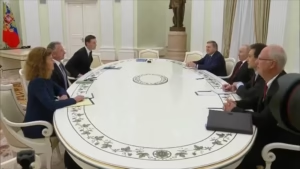
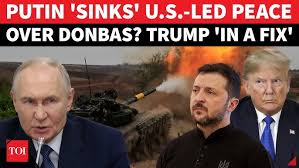
The Ukraine Russia conflict is no longer just a regional war. It has become one of the most influential geopolitical events of the 21st century. From energy markets and food security to military alliances and diplomatic norms, the war has altered how nations think about power, security, and cooperation. As peace talks between Ukraine and Russia once again enter global discussion, the stakes could not be higher. These negotiations are not only about ending a war; they are about redefining European security, rebuilding trust, and preventing future conflicts.
The renewed dialogue has emerged amid shifting political realities, military exhaustion, economic pressure, and changing public sentiment across Europe and beyond. While previous attempts at peace failed, current talks are unfolding in a very different strategic environment. Europe has changed, NATO has expanded, defense budgets have surged, and the idea of security itself has evolved. Understanding these peace talks requires understanding the broader transformation of Europe’s security architecture.
This article explores the origins of the conflict, the evolution of peace negotiations, the motivations of Ukraine and Russia, and the profound security shifts taking place across Europe. It also examines potential outcomes, risks, and the long term implications for global stability.
Background How the Ukraine Russia Conflict Escalated
The roots of the Ukraine Russia conflict stretch back decades, shaped by history, identity, and competing visions of sovereignty. After the collapse of the Soviet Union, Ukraine emerged as an independent state, but its geopolitical orientation remained contested. Russia continued to view Ukraine as part of its strategic sphere, while Ukraine increasingly sought closer ties with Europe.
Tensions escalated sharply after political upheaval in Ukraine shifted the country toward Western integration. Russia’s response fundamentally changed European security dynamics. The annexation of Crimea and subsequent military actions shocked the international community and shattered long-held assumptions about peace in Europe.
Over time, the conflict evolved into a prolonged war with massive human, economic, and political costs. Millions were displaced, infrastructure was destroyed, and trust between Russia and the West deteriorated to historic lows. Sanctions, military aid, and diplomatic isolation became defining features of the global response.
The Human Cost Why Peace Talks Matter Ukraine Russia Peace Talks
Behind every negotiation table lies a devastating human reality. Civilians have borne the brunt of the conflict, facing displacement, loss of livelihoods, and psychological trauma. Entire cities have been reshaped by destruction, and generations have been affected by instability.
Peace talks are not merely political exercises; they represent hope for families, refugees, and communities seeking normalcy. The continuation of war threatens to deepen humanitarian crises, strain international aid systems, and prolong suffering. For Ukraine, peace is tied to sovereignty and survival. For Russia, it is linked to economic recovery and political legitimacy.
The urgency of peace has grown as fatigue spreads across societies involved in and affected by the conflict. Economic pressure, energy insecurity, and political polarization have created incentives for renewed dialogue.
Why Peace Talks Are Resurfacing Now Ukraine Russia Peace Talks
Several factors have converged to bring Ukraine Russia peace talks back into focus. Military realities on the ground have shifted, making total victory increasingly unlikely for either side. Prolonged conflict has exposed limitations in resources, manpower, and public tolerance.
Economic pressure has intensified. Sanctions have reshaped trade, inflation has affected households, and energy markets have experienced historic volatility. European governments face mounting domestic pressure to stabilize economies while maintaining security commitments.
Diplomatically, global actors have shown renewed interest in mediation. Neutral states and international organizations have recognized that prolonged war increases global instability. Meanwhile, public opinion across Europe has become more focused on sustainable security rather than endless confrontation.
Ukraine’s Position in the Peace Process
Ukraine enters peace talks from a position shaped by resilience and international support. The country’s primary objectives remain clear: preserving sovereignty, ensuring territorial integrity, and securing long-term security guarantees.
For Ukrainian leadership, peace without security is unacceptable. Past agreements failed largely due to weak enforcement mechanisms and lack of trust. Any future settlement must address these concerns through binding guarantees and international involvement.
Ukraine also seeks accountability and reconstruction. Rebuilding infrastructure, restoring economic activity, and supporting displaced populations require stability and international cooperation. Peace talks are therefore closely linked to Ukraine’s long term development and integration into European structures Ukraine Russia Peace Talks.
Russia’s Strategic Calculations Ukraine Russia Peace Talks
Russia approaches peace talks under a different set of pressures. Economic sanctions, diplomatic isolation, and long-term strategic costs have reshaped Moscow’s calculations. While maintaining influence remains a priority, prolonged conflict has exposed vulnerabilities.
Peace negotiations offer Russia a potential pathway to economic normalization and reduced international pressure. However, domestic political considerations and concerns about regional influence complicate compromise. Any agreement must balance external concessions with internal narratives.
Russia’s participation in talks also reflects broader concerns about NATO expansion, military balance, and strategic autonomy. These issues are deeply tied to European security shifts and remain central to negotiations.
Europe’s Security Awakening
Perhaps the most significant outcome of the Ukraine–Russia conflict has been Europe’s security transformation. For decades, many European nations relied on economic interdependence and diplomatic engagement as foundations of peace. The war shattered these assumptions.
Defense spending has increased across the continent. Countries previously hesitant to invest heavily in military capabilities have reassessed priorities. New strategies emphasize readiness, deterrence, and resilience.
European security is no longer viewed as a static condition but as an ongoing process requiring constant adaptation. The conflict has highlighted the need for coordinated defense, intelligence sharing, and strategic planning.
NATO’s Expanding Role
The conflict has revitalized NATO, reinforcing its relevance in modern security architecture. Member states have strengthened commitments, expanded deployments, and increased cooperation. The alliance has become central to European defense planning.
NATO’s evolution reflects broader security shifts. Focus has moved from crisis management to deterrence and collective defense. This transformation has long-term implications for European stability and relations with Russia.
Peace talks must account for NATO’s role, as any security arrangement will exist within this expanded framework. Balancing deterrence with dialogue remains a complex challenge.
Energy Security and Economic Realignment
Energy security has become a defining issue in European security policy. The conflict disrupted traditional supply routes and forced rapid diversification. Countries accelerated investments in renewables, alternative suppliers, and energy efficiency.
These changes represent a structural shift rather than a temporary adjustment. Europe’s economic relationship with Russia has been fundamentally altered, reducing interdependence but increasing short-term costs.
Peace talks are influenced by these realities. While energy considerations once served as a stabilizing factor, Europe’s reduced reliance has reshaped leverage and priorities.
The Role of Diplomacy and Mediation
Successful peace talks require credible mediation. Neutral actors play a crucial role in facilitating dialogue, building trust, and proposing frameworks for compromise. Diplomatic engagement has moved beyond traditional channels, incorporating regional and global stakeholders.
Diplomacy now focuses on phased solutions rather than comprehensive settlements. Ceasefires, confidence-building measures, and humanitarian agreements are viewed as stepping stones toward lasting peace.
The effectiveness of diplomacy will depend on sustained international commitment and realistic expectations.
Security Guarantees and Their Importance
One of the most contentious issues in peace talks is security guarantees. Ukraine seeks assurances that prevent future aggression, while Russia demands limits on military expansion near its borders.
Designing effective guarantees requires creativity and compromise. International monitoring, multilateral commitments, and enforcement mechanisms must be credible and balanced.
European security shifts influence this process by providing new frameworks for cooperation and deterrence. Guarantees must align with broader regional stability goals.
Risks and Challenges to Peace
Despite renewed talks, significant risks remain. Deep mistrust, unresolved territorial issues, and domestic political pressures could derail negotiations. Spoilers on all sides may attempt to undermine progress.
There is also the risk of frozen conflict, where fighting subsides without resolving core issues. Such outcomes create long-term instability and undermine trust.
Managing expectations is essential. Peace is a process, not an event, and requires sustained effort beyond initial agreements.
The Global Impact of European Security Shifts
The implications of Ukraine–Russia peace talks extend far beyond Europe. Global security norms, alliance structures, and diplomatic practices are being reshaped. Other regions are closely watching how sovereignty, deterrence, and negotiation are balanced.
The conflict has reinforced the importance of international law while exposing its limitations. Future crises may be influenced by precedents set in Europe.
Global markets, humanitarian systems, and political alliances will continue to feel the effects of European security shifts.
Long Term Scenarios for Europe
Several scenarios could emerge from ongoing talks. A comprehensive peace agreement could stabilize the region and enable gradual normalization. A partial settlement may reduce violence but leave underlying tensions unresolved.
Alternatively, talks could fail, leading to renewed escalation and further security fragmentation. Each scenario carries distinct implications for Europe’s future Ukraine Russia Peace Talks.
Strategic planning must account for uncertainty. Flexibility, resilience, and cooperation will remain essential.
A Defining Moment for Europe and the World
Ukraine Russia peace talks represent a critical juncture in modern history. They are not only about ending a war but about shaping the future of European security and global stability. The choices made today will influence generations to come.
Europe has awakened to the realities of power, deterrence, and cooperation. Security is no longer taken for granted, and diplomacy has regained urgency. While peace remains uncertain, the pursuit of dialogue reflects recognition that sustainable security cannot be achieved through force alone Ukraine Russia Peace Talks.
As negotiations continue, the world watches closely. The outcome will define not only the relationship between Ukraine and Russia but also the principles that govern international order in an increasingly complex world.