






Transatlantic Security and NATO Commitments Highlighted at Europe Events A Strategic Turning Point in Global Defense
Introduction A New Era of Transatlantic Cooperation
In 2026, transatlantic security and NATO commitments have taken center stage at major European diplomatic and defense events. As geopolitical tensions rise around the world, leaders from Europe and North America are showcasing renewed resolve to strengthen collective security. The focus is on adapting traditional defense commitments to new realities, emerging threats, and a transformed global environment.
Over recent decades, NATO has stood as the cornerstone of transatlantic defense cooperation. From reconciling Cold War priorities to confronting modern security challenges, the alliance has continuously evolved. Today, as Europe faces strategic pressure points in Eastern Europe, the Arctic, and beyond, NATO’s role is undergoing intense scrutiny and recalibration.
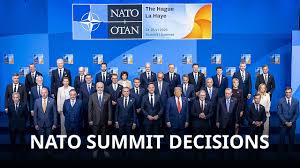
Against this backdrop, prominent security conferences and diplomatic gatherings in Europe have underscored the importance of a united transatlantic front. Political leaders, defense ministers, and military officials convene to articulate strategic priorities, expand defense commitments, and build consensus on future threats.
This article explores how transatlantic security is being reinforced at Europe events, why NATO’s role is central to global peace, and what this means for international stability in the coming decade.
The Importance of Transatlantic Security in a Polarized World
Transatlantic security refers to the defense cooperation between Europe and North America, most notably through the North Atlantic Treaty Organization (NATO). This partnership emerged after World War II to deter conflict and foster stability across the Atlantic.
Today, it remains vital due to ongoing geopolitical tensions, rising military competition, and transnational threats that no single country can manage alone. From cyberattacks and disinformation campaigns to territorial disputes and proxy conflicts, contemporary security challenges demand collective responses.
One of the defining features of transatlantic security is mutual defense. Article 5 of the NATO treaty, which states that an attack against one member is an attack against all, serves as a powerful deterrent. This principle was a pillar of Cold War strategy and continues to influence modern security planning.
As Europe and North America navigate shifting strategic dynamics with Russia, China, and other actors, a strong transatlantic partnership is central to preserving peace and responding effectively to any escalation Transatlantic Security and NATO Commitments .
NATO’s Evolving Role in a Complex Security Environment
The North Atlantic Treaty Organization has changed significantly since its founding in 1949. Originally designed to deter conventional military threats in Europe, NATO now addresses a broad spectrum of security issues, including hybrid warfare, counterterrorism, and emerging technologies.
At recent European security forums, NATO leaders have highlighted the alliance’s expanding mission. Discussions emphasize the need to invest in innovative defense capabilities, improve interoperability among member states, and reinforce forward deterrence in vulnerable regions.
During these events, NATO representatives also stress that the alliance must remain agile in the face of rapid technological change. Artificial intelligence, autonomous systems, space capabilities, and cyber domains are now integral to defense planning. By integrating these areas into strategic priorities, NATO seeks to maintain a competitive edge.
At the same time, NATO leaders reaffirm that basic principles of collective defense remain unchanged. A secure transatlantic alliance is seen not only as a matter of national security for member states but also as a stabilizing force for global peace Transatlantic Security and NATO Commitments .
European Security Conferences as Platforms for NATO Commitment
Europe hosts several influential security conferences and diplomatic gatherings annually. These events provide a stage for leaders to articulate defense policies, build partnerships, and reinforce strategic commitments.
One of the most significant is the Munich Security Conference, where heads of state, defense officials, and experts from around the world convene to discuss pressing global threats. In 2026, transatlantic security dominated panel discussions, keynote speeches, and bilateral meetings.
Key themes included enhancing NATO’s deterrence posture, expanding defense investments, and addressing regional threats in Europe’s eastern and northern flanks. Participants stressed the importance of maintaining unity within NATO, even as individual members navigate domestic political pressures and changing global priorities.
Other forums, such as security dialogues within the European Union and bilateral summits between European capitals and Washington, further reinforced the transatlantic agenda. These gatherings provided opportunities to align strategic goals and enhance cooperation on emerging defense challenges.
Renewed U.S. Europe Defense Dialogue Transatlantic Security and NATO Commitments
Central to transatlantic security is the relationship between the United States and European allies. While this partnership has experienced moments of tension particularly during periods of shifting U.S. foreign policy recent events show a renewed commitment to collective defense.
U.S. participation in European security forums signals a willingness to engage directly with allies on defense priorities. American officials have reiterated that the United States remains fully committed to NATO and to defending European partners against any threat.
This reaffirmation is significant given evolving strategic competition in Eurasia. As global powers assert influence in different regions, a cohesive U.S.–Europe defense dialogue strengthens deterrence and ensures that NATO remains capable of responding to crises.
Both sides have committed to expanding cooperation on defense technology, intelligence sharing, and joint training exercises. These efforts aim to improve interoperability ensuring that forces from different nations can operate seamlessly together when required.
Strengthening Defense Investments Across NATO Members
One of the most pressing issues highlighted at recent Europe events is defense spending. NATO has long encouraged member states to allocate at least 2% of their GDP to defense, a benchmark aimed at ensuring credible deterrence.
While progress has been made, some allies still fall short of this target. At security meetings, leaders emphasized the need for sustained and predictable defense investment. Increased funding is necessary not only for traditional capabilities but also for modern technologies critical to future security.
These investments include upgrading military infrastructure, enhancing cyber defenses, and developing advanced surveillance and response systems. By pooling resources and coordinating spending priorities, NATO members seek to maximize collective strength without unnecessary duplication.
The emphasis on defense investment also reflects broader economic realities. As nations balance domestic priorities with security commitments, transparent planning and long-term budgeting become essential to sustain readiness.
Addressing Hybrid and Non Traditional Threats
While conventional military threats remain significant, non-traditional security challenges are among the most complex facing NATO and its partners. Hybrid warfare combines military and non-military tactics, including cyberattacks, economic coercion, and strategic misinformation campaigns.
European events have increasingly focused on how to counter these multifaceted threats. NATO officials and member states are collaborating to strengthen resilience against asymmetric tactics that seek to exploit political divisions and critical infrastructure vulnerabilities.
For example, cyber defense initiatives have expanded to include public-private partnerships, acknowledging that much of the digital infrastructure targeted by adversaries is owned and operated by civilian entities. Joint exercises simulate coordinated responses to cyberattacks, enhancing readiness and cooperation.
Countering disinformation campaigns also emerged as a priority, with emphasis on improving media literacy, enhancing strategic communication, and exposing malign influence operations aimed at weakening democratic societies.
NATO’s Strategic Adaptation in the Arctic Region
Transatlantic security discussions extend beyond Europe’s traditional borders. The Arctic has recently become a focal point due to climate change, increased accessibility, and strategic competition over resources and shipping routes.
NATO commitments now include enhancing security cooperation in the Arctic region. As ice melts and new maritime routes open, the area presents both economic opportunities and strategic challenges. Increased military activity by various states underscores the need for coordinated defense planning.
At recent defense summits, NATO allies emphasized the importance of joint missions and enhanced surveillance in the Arctic. These measures aim to prevent escalation and ensure freedom of navigation while balancing environmental protection with security concerns.
The Arctic illustrates how transatlantic security is not limited to one geographic area but must adapt to a wide range of strategic environments shaped by physical and technological change.
The Debate on European Strategic Autonomy
One of the most discussed topics at European security events is the concept of European strategic autonomy. This idea suggests that Europe should be capable of defending itself and addressing security challenges independently if necessary.
While European leaders support NATO and value the U.S. alliance, there is broad recognition that Europe must invest in its own capabilities. This does not imply reducing commitment to transatlantic cooperation; rather, it reflects a desire to be more resilient and self-reliant in an unpredictable world.
European strategic autonomy includes strengthening EU defense initiatives, enhancing rapid reaction forces, and ensuring that European industries can produce critical defense technologies. The goal is to complement NATO’s collective defense, not replace it.
The debate acknowledges that a strong Europe contributes to a stronger NATO. By developing complementary capabilities, European nations can better share the security burden and respond to crises more effectively.
NATO Enlargement and New Membership Prospects
NATO enlargement remains a topic of significant interest. As security dynamics evolve, several nations have expressed interest in joining or strengthening ties with the alliance.
Expansion discussions focus on the requirements for membership, the balance of regional security risks, and the long-term strategic impact of new members. While enlargement can strengthen collective defense, it also requires careful calibration to avoid unnecessary provocation with non-member states that view NATO expansion with suspicion.
At Europe events, leaders have reaffirmed that NATO’s open door policy remains in place. Enlargement discussions are guided by democratic principles, mutual defense commitments, and shared values of freedom and rule of law.
Potential future members are encouraged to undertake necessary political, military, and economic reforms to align with alliance standards. This process reinforces the idea that NATO is not merely a military organization but a community grounded in democratic cooperation.
Reinforcing NATO’s Deterrence Posture in Eastern and Southern Flanks
NATO’s deterrence strategy places emphasis on both the eastern and southern flanks of the alliance. In Eastern Europe, concerns over regional stability and potential aggression have led to enhanced forward deployments, joint exercises, and infrastructure investments.
These measures reassure member states and serve as a powerful signal of collective defense resolve. By maintaining a robust presence in strategic regions, NATO aims to deter conflict and provide rapid response capabilities if needed.
In the southern flank, NATO’s focus includes counterterrorism cooperation and border security in regions facing instability. Partnership programs with neighboring states further extend transatlantic security influence while respecting regional sovereignty.
Enhancing Interoperability Through Joint Exercises
Joint military exercises are a cornerstone of NATO cooperation. These activities improve interoperability the ability of forces from different countries to operate together smoothly and effectively.
Recent Europe events showcased plans for expanded training exercises that involve land, air, sea, and cyber components. These operations simulate a range of scenarios, from conventional defense responses to hybrid threat mitigation Transatlantic Security and NATO Commitments .
Exercises also involve civilian authorities and non-military organizations to ensure whole-of-society resilience. As threats become more integrated across domains, coordinated training becomes essential for operational readiness.
Technology Innovation and Defense Partnerships
Innovation is central to modern defense strategy. NATO and its partners emphasize collaboration with technology industries, academia, and research institutions to stay at the forefront of defense capabilities.
Emerging technologies such as artificial intelligence, autonomous systems, advanced communications, and precision systems are increasingly integrated into defense planning. Europe events highlighted the importance of ethical considerations and responsible use of advanced technologies in military applications.
Defense partnerships now include information sharing on innovation pathways, intellectual property protections, and joint development programs. By pooling expertise, NATO allies aim to maximize efficiency and reduce duplication of effort.
Public Support and Democratic Resilience
Transatlantic security is grounded not only in military capabilities but also in public support. Democracies rely on citizen engagement, transparent policy making, and trust in institutions to sustain long-term defense commitments.
At Europe events, leaders emphasized the importance of communicating the value of collective defense to the public. Educating citizens about the nature of modern threats and the benefits of cooperation helps build resilience against radicalization, misinformation, and political polarization.
This aspect reinforces the idea that security is not merely a matter of defense budgets and troop numbers; it is also about cultural commitment to shared values and collective responsibility.
Transatlantic Economic Resilience and Defense Supply Chains
A key lesson of recent global disruptions is the need for resilient supply chains, especially for critical defense components. NATO members and partners are working to diversify supply sources, strengthen domestic industries, and reduce dependencies that could undermine readiness.
Economic resilience is now viewed as a strategic asset. Defense workshops at European events discussed how to ensure continuity of critical supplies, protect sensitive technologies, and foster collaboration between governments and private industry.
This focus on supply chain security reflects broader trends in global economics, where strategic competition includes access to vital resources and technological leadership.

Climate Change and Security Implications
Climate change is increasingly recognized as a security threat multiplier. From rising sea levels threatening coastal bases to climate-induced instability in vulnerable regions, environmental change affects strategic planning.
At recent conferences, NATO and European leaders integrated climate considerations into defense strategy. This includes adapting military infrastructure, addressing disaster response capabilities, and understanding how climate pressures can exacerbate conflict risks.
By acknowledging the interconnectedness of environmental and security issues, transatlantic partners aim to build holistic approaches to resilience.
The Future of Transatlantic Security Cooperation
As 2026 progresses, it is clear that transatlantic security and NATO commitments will remain central to global defense planning. Europe events have reinforced shared determination to confront modern threats collectively.
The future of this cooperation will depend on continued dialogue, sustained defense investments, and adaptability to new challenges. With a strong transatlantic bond, NATO and its partners are better positioned to deter aggression, support democratic values, and contribute to international peace.
The path ahead will require compromise, strategic vision, and unity of purpose. Yet, the emphasis on collaboration at Europe events reflects a deep understanding that shared security yields shared prosperity.
Transatlantic Security as a Foundation for Global Stability
In a world marked by uncertainty, strategic competition, and evolving threats, transatlantic security stands as an enduring pillar of international stability Transatlantic Security and NATO Commitments . The focus on NATO commitments at Europe events demonstrates that collective defense remains as relevant today as it has ever been.
Through strengthened partnerships, investment in defense capabilities, and an unwavering commitment to democratic values, Europe and North America are navigating the complexities of modern geopolitics together. This collective effort not only protects NATO members but also reinforces global norms that uphold peace and cooperation.
As future challenges arise, the lessons drawn from these strategic dialogues will shape how nations respond with resolve, resilience, and unity.