






Strait Of Hormuz Crisis Global Energy Security and Geopolitical Tensions
Introduction
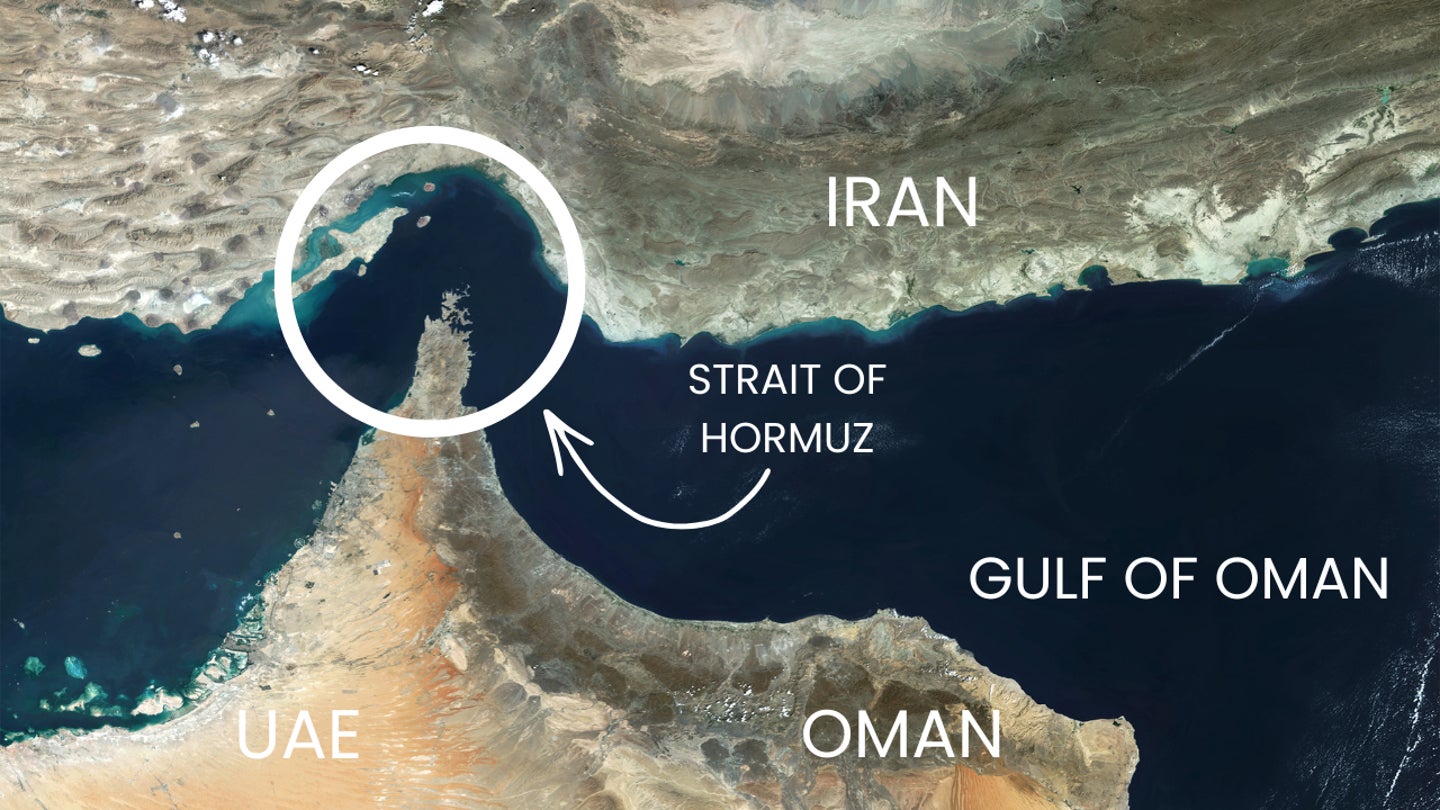
The Strait of Hormuz crisis has become one of the most significant geopolitical and economic developments in the modern world. This narrow waterway located between the Persian Gulf and the Gulf of Oman plays a critical role in global energy transportation. A large share of the world’s oil supply passes through this strategic maritime corridor making it one of the most important shipping routes on the planet.
In recent years tensions in the region have intensified due to geopolitical rivalry military confrontations economic sanctions and rising regional instability. The crisis surrounding the Strait of Hormuz has raised serious concerns about global energy security international trade and economic stability. Governments financial markets and multinational corporations closely monitor developments in this region because disruptions to oil shipments can influence fuel prices supply chains and inflation across the world.
Understanding the Strait of Hormuz crisis requires examining its strategic location the geopolitical dynamics that shape the region the role of major powers and the potential economic consequences of prolonged instability.
Geographic Importance of the Strait of Hormuz
The Strait of Hormuz is a narrow maritime passage connecting the Persian Gulf with the Arabian Sea. Its width at the narrowest point is only a few dozen kilometers yet it serves as the primary route for oil exports from several major energy producing countries.
Countries bordering or relying on this route include Iran Oman Saudi Arabia United Arab Emirates Kuwait and Qatar Strait Of Hormuz Crisis.
Every day millions of barrels of crude oil and petroleum products move through this strategic chokepoint toward markets in Asia Europe and North America. Because of this massive energy flow any disruption within the strait immediately attracts global attention.
The geographic position of the Strait of Hormuz means that even minor military incidents or security threats can escalate into major international crises.
Historical Background of Tensions Strait Of Hormuz Crisis
The strategic importance of the Strait of Hormuz has made it a focal point of geopolitical tension for decades. Conflicts in the Middle East have repeatedly highlighted the vulnerability of global energy supply routes.
During past regional confrontations naval forces were deployed to protect shipping lanes and prevent attacks on oil tankers. The history of these incidents demonstrates how fragile maritime security can be in a region where rival powers compete for influence.
In recent years tensions have intensified due to political disputes military confrontations and economic sanctions affecting regional powers. These developments have increased the risk of incidents involving commercial vessels naval patrols and energy infrastructure.
The current crisis represents the latest chapter in a long history of geopolitical competition surrounding one of the world’s most important maritime chokepoints Strait Of Hormuz Crisis.
Strategic Role in Global Energy Markets Strait Of Hormuz Crisis
The global economy depends heavily on stable energy supplies. Oil remains a central component of industrial production transportation and global trade.
Because the Strait of Hormuz carries such a large proportion of global oil exports disruptions in this corridor can trigger significant market reactions. Energy traders investors and governments monitor the situation closely because supply interruptions can lead to sudden price spikes.
Countries in Asia including major energy consumers rely heavily on oil shipments passing through this route. Industrial economies depend on these supplies to sustain manufacturing transportation and economic growth Strait Of Hormuz Crisis.
Any prolonged disruption in the Strait of Hormuz could therefore affect economic stability across multiple continents.
Military Presence and Security Concerns Strait Of Hormuz Crisis
Due to its strategic importance the Strait of Hormuz is heavily monitored by naval forces from several countries. Security operations aim to protect commercial shipping lanes and deter attacks against tankers and cargo vessels.
The presence of naval fleets also reflects broader geopolitical rivalries. Military patrols surveillance systems and intelligence operations operate throughout the region to maintain situational awareness and respond quickly to potential threats.
However the concentration of military assets in a confined maritime space can also increase the risk of miscalculations or accidental confrontations.
Security analysts warn that even a single incident involving commercial vessels or naval forces could trigger a broader escalation affecting regional stability.
Economic Consequences of the Crisis
The economic implications of the Strait of Hormuz crisis extend far beyond the Middle East. Energy markets respond rapidly to geopolitical developments affecting major oil supply routes.
When tensions rise oil prices often increase due to fears of supply disruptions. Higher energy prices influence transportation costs manufacturing expenses and consumer inflation worldwide.
Shipping companies may also face higher insurance costs when operating in areas perceived as high risk. These additional costs are often passed on to consumers through higher prices for goods and services Strait Of Hormuz Crisis.
Financial markets frequently experience volatility during periods of geopolitical uncertainty in energy producing regions. Investors monitor developments closely to anticipate potential impacts on commodities currencies and equities.
Impact on Global Trade
Global trade relies on stable maritime routes that allow goods to move efficiently between continents. The Strait of Hormuz is not only a critical oil corridor but also an important route for other commodities and industrial products.
Any disruption to shipping traffic can delay deliveries increase transportation costs and affect supply chains across multiple industries. Manufacturers rely on timely delivery of raw materials while retailers depend on consistent logistics networks to maintain product availability.
A prolonged crisis in the Strait of Hormuz could therefore affect industries ranging from automotive manufacturing to agriculture and consumer goods.
Energy Security Strategies
Countries around the world have developed strategies to reduce vulnerability to potential disruptions in the Strait of Hormuz. These strategies focus on diversification energy efficiency and development of alternative supply routes. Some energy exporting countries have invested in pipelines that bypass the strait allowing oil to reach global markets without relying exclusively on maritime shipping.
Importing nations maintain strategic petroleum reserves designed to provide temporary supply during emergencies. These reserves allow governments to stabilize domestic markets if international shipments are interrupted.
In addition many countries are investing in renewable energy technologies to reduce dependence on imported fossil fuels over the long term.
Role of International Cooperation
Ensuring stability in the Strait of Hormuz requires cooperation among multiple nations. International maritime law and diplomatic engagement play important roles in maintaining safe navigation through strategic waterways.
Naval coalitions sometimes conduct joint patrols to protect commercial vessels and respond to security threats. Intelligence sharing and coordinated surveillance help detect potential risks before they escalate into major incidents.
Diplomatic negotiations also play a critical role in reducing tensions and preventing conflicts that could threaten maritime security. International cooperation remains essential for preserving stability in one of the most strategically important regions of the world.

Environmental Risks
Beyond economic and geopolitical concerns the Strait of Hormuz crisis also presents environmental risks. Oil spills resulting from tanker accidents or military confrontations could damage fragile marine ecosystems in the Persian Gulf.
The region contains important fisheries coral reefs and coastal habitats that support local communities and biodiversity. Environmental damage could therefore have long term ecological and economic consequences Strait Of Hormuz Crisis.
Protecting marine environments while maintaining safe shipping operations is an important challenge for governments and international organizations operating in the region.
Energy Transition and Future Outlook
The global energy landscape is gradually evolving as countries seek to transition toward more sustainable sources of power. Renewable energy technologies including solar wind and hydrogen are expanding rapidly.
However oil will likely remain a critical component of the global energy mix for many years particularly in sectors such as aviation shipping and petrochemical production.
As long as global demand for oil remains high the Strait of Hormuz will continue to play a central role in international energy markets.
Future stability in this region will depend on diplomatic engagement technological innovation and responsible management of global energy resources.
The Geopolitical Dimension
The Strait of Hormuz crisis is closely linked to broader geopolitical dynamics in the Middle East. Regional rivalries economic sanctions and international alliances all influence the security environment surrounding the strait.
Major global powers maintain strategic interests in ensuring that energy supplies remain uninterrupted. This has led to diplomatic engagement military cooperation and economic partnerships aimed at maintaining stability in the region.
However geopolitical competition can also complicate efforts to resolve tensions because different countries may pursue conflicting strategic objectives.
Understanding the geopolitical dimension of the crisis is essential for evaluating potential future developments.
A Complex Intersection
The Strait of Hormuz crisis represents a complex intersection of geopolitics economics energy security and international trade. This narrow maritime corridor serves as a vital artery for global oil shipments connecting energy producing regions with major consumer markets around the world.
Disruptions in this route can trigger significant economic consequences including rising energy prices supply chain disruptions and financial market volatility. At the same time the crisis highlights the importance of international cooperation in maintaining safe maritime navigation and preventing regional conflicts from escalating.
As the global energy system evolves the Strait of Hormuz will continue to hold strategic significance. Governments industries and international institutions must work together to ensure that this vital waterway remains open secure and stable for the benefit of the global economy.