






Strait Of Hormuz Crisis and the Future of Global Energy Security
Introduction
The Strait of Hormuz crisis Gulf Shipping Under Attack has emerged as one of the most critical geopolitical and economic challenges of the modern era. This narrow maritime passage located between the Persian Gulf and the Gulf of Oman carries an enormous share of the world’s oil supply making it one of the most strategically important waterways on the planet. When tensions rise in this region the effects quickly spread across global energy markets international trade networks and geopolitical alliances.
Recent confrontations in the Middle East have intensified concerns about the security of the Strait of Hormuz. Military confrontations drone strikes and attacks on commercial vessels have raised fears of disruptions to global oil shipments. These developments have triggered volatility in oil markets and forced governments around the world to consider emergency strategies to protect energy supplies.
Understanding the Strait of Hormuz crisis requires examining its geographic importance the geopolitical rivalries shaping the region the role of global energy markets and the broader consequences for international stability. The crisis is not simply a regional issue but a global challenge that affects economies industries and consumers worldwide.
Geographic Importance of the Strait of Hormuz Gulf Shipping Under Attack
The Strait of Hormuz lies between the coastlines of Iran and Oman connecting the Persian Gulf to the Gulf of Oman and the wider Indian Ocean. Despite its relatively narrow width the strait functions as a vital energy corridor through which a massive portion of global oil exports passes every day.
Several major energy producing states rely heavily on this route to deliver their oil to global markets including Saudi Arabia United Arab Emirates Kuwait and Qatar. Tankers carrying crude oil liquefied natural gas and refined petroleum products move continuously through the strait toward Asia Europe and North America.
Because such a large portion of global energy supply depends on this narrow waterway the Strait of Hormuz has long been considered one of the most important maritime chokepoints in the world. Even a temporary disruption in traffic through this passage could cause significant turmoil in global energy markets.
Historical Background of Tensions
The strategic importance of the Strait of Hormuz has made it a focal point of international tensions for decades. Conflicts in the Middle East have repeatedly threatened the security of this critical shipping lane. During past regional wars naval forces conducted patrols to protect oil tankers and ensure that maritime trade could continue despite military confrontations.
Over time the region has witnessed multiple incidents involving seizures of commercial vessels naval confrontations and threats to close the strait entirely. These episodes highlight the fragile nature of maritime security in an area where geopolitical rivalries remain intense.
In recent years tensions have escalated due to political disputes economic sanctions and regional military competition. Each new incident increases fears that a broader conflict could disrupt global oil shipments passing through the strait.
Strategic Role in Global Energy Markets Gulf Shipping Under Attack
Global energy markets are highly sensitive to geopolitical developments affecting major oil producing regions. Because the Strait of Hormuz carries such a large share of the world’s petroleum exports even rumors of potential disruptions can influence oil prices.
Energy traders financial institutions and governments monitor the situation in the strait closely. When tensions rise oil futures markets often react immediately reflecting fears that supply could be interrupted.
A significant disruption in the strait could reduce available oil supplies in global markets causing sharp price increases. These price movements would affect transportation manufacturing electricity generation and numerous other sectors of the global economy.
Countries that rely heavily on imported energy would be particularly vulnerable to such disruptions. Rapid increases in fuel prices could slow economic growth increase inflation and strain government budgets.
Military Presence and Maritime Security
Due to its strategic importance the Strait of Hormuz is heavily patrolled by naval forces from several nations. Maritime security operations aim to protect commercial shipping and deter potential attacks against tankers or cargo vessels.
Naval patrols surveillance aircraft and advanced radar systems monitor activity throughout the region. These measures are designed to detect potential threats quickly and respond before they escalate into major incidents.
However the concentration of military assets in a narrow maritime corridor also increases the risk of misunderstandings or accidental confrontations. Even minor incidents can escalate rapidly when multiple armed forces operate in close proximity.
Maintaining maritime security in the Strait of Hormuz requires careful coordination diplomatic communication and adherence to international maritime law.
Economic Consequences of the Crisis
The economic consequences of a Strait of Hormuz crisis extend far beyond the Middle East. Energy markets are deeply interconnected and disruptions in one region can quickly affect global supply chains.
When tensions escalate shipping companies may face higher insurance costs for vessels traveling through the region. These increased costs are often passed on to consumers in the form of higher prices for goods and services.
Oil price volatility can also affect financial markets around the world. Investors often shift capital between assets in response to geopolitical risks leading to fluctuations in stock markets currency values and commodity prices.
Developing countries that rely heavily on imported fuel may experience particularly severe economic impacts if global oil prices rise sharply.
Impact on Global Trade and Supply Chains Gulf Shipping Under Attack
Modern global trade depends on efficient maritime transportation networks. The Strait of Hormuz plays a vital role not only in oil shipments but also in the movement of other commodities and manufactured goods.
Disruptions to shipping traffic can cause delays in deliveries increase transportation costs and create bottlenecks in supply chains. Industries that depend on just in time logistics systems may face production delays if shipments of raw materials are interrupted.
For example automotive manufacturing electronics production and agricultural trade all rely on stable transportation networks. When shipping routes become uncertain businesses may struggle to maintain normal operations.
These challenges highlight the importance of protecting strategic maritime corridors such as the Strait of Hormuz.
Energy Security Strategies
Recognizing the risks associated with the Strait of Hormuz many countries have developed strategies to reduce their dependence on this single shipping route. These strategies focus on diversification of supply sources development of alternative transportation routes and expansion of energy reserves.
Some oil producing states have invested in pipeline infrastructure that allows crude oil to be transported directly to ports outside the Persian Gulf. These pipelines provide alternative export routes that bypass the strait entirely.
Importing nations maintain strategic petroleum reserves that can be released during supply disruptions. These reserves help stabilize domestic markets and provide time for governments to respond to emergencies.
In addition many countries are accelerating investments in renewable energy technologies such as solar wind and hydrogen power. Reducing reliance on imported fossil fuels can improve long term energy security.
Environmental Risks and Maritime Safety
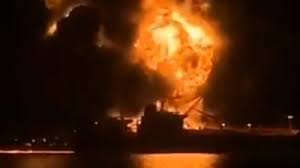
The Strait of Hormuz crisis also raises concerns about environmental protection. Oil tankers traveling through the region carry massive quantities of crude oil and refined petroleum products. Accidents involving these vessels could lead to devastating oil spills.
Marine ecosystems in the Persian Gulf include coral reefs fisheries and coastal habitats that support local communities and biodiversity. Pollution resulting from tanker accidents or military conflict could damage these fragile ecosystems for decades.
International organizations environmental groups and maritime authorities emphasize the importance of strict safety standards for ships operating in the region. Preventing accidents and protecting marine environments must remain a priority even during periods of geopolitical tension.
The Geopolitical Dimension
The Strait of Hormuz crisis cannot be understood without considering the broader geopolitical dynamics of the Middle East. Regional rivalries alliances and diplomatic negotiations all shape the security environment surrounding the strait.
Major global powers maintain strategic interests in ensuring that energy supplies remain uninterrupted. These interests influence foreign policy decisions military deployments and diplomatic initiatives.
Competition for influence in the region often complicates efforts to reduce tensions. Different countries pursue different strategic objectives which can make conflict resolution more difficult.
Nevertheless diplomatic engagement remains essential for preventing the crisis from escalating into a larger regional conflict.
Global Energy Transition and Future Outlook
The global energy landscape is undergoing significant transformation as countries seek to reduce greenhouse gas emissions and transition toward cleaner energy sources. Renewable technologies including solar wind and battery storage are expanding rapidly in many parts of the world.
However oil and natural gas will likely remain essential components of the global energy mix for decades particularly in transportation petrochemicals and heavy industry.
As long as global demand for oil remains high the Strait of Hormuz will continue to play a central role in international energy markets. Ensuring the security of this vital waterway will therefore remain a priority for governments and international organizations.
Future solutions may involve a combination of diplomatic cooperation technological innovation and diversification of global energy supplies.
A Complex Intersection
The Strait of Hormuz crisis represents a complex intersection of geopolitics economics and energy security. This narrow maritime corridor serves as a critical link between major oil producing regions and energy consuming economies around the world.
Disruptions in the strait can trigger significant economic consequences including rising fuel prices supply chain disruptions and financial market volatility. At the same time the crisis highlights the importance of international cooperation in protecting maritime trade routes and maintaining global stability.
As the world continues to navigate geopolitical tensions and energy transitions the Strait of Hormuz will remain one of the most strategically important locations on the planet. Ensuring its security and stability will be essential for safeguarding the future of global energy markets and international trade.