






Climate Funding Faces Pressure
Global Financial Pressure Behind Climate Adaptation
Climate adaptation finance pressure has emerged Climate Funding Faces Pressure as one of the most important global policy discussions because climate impacts are now directly affecting agriculture water systems infrastructure public health and economic planning across every region of the world. Governments are no longer debating whether climate adaptation is necessary because the evidence of repeated floods droughts heatwaves storms and coastal erosion has made adaptation spending unavoidable in national budgets.
Financial pressure increases because adaptation requires long term spending while many countries already face inflation debt obligations energy costs and social welfare commitments. Ministries of finance are now forced to treat climate adaptation as an economic priority rather than only an environmental responsibility because climate losses are creating visible pressure on productivity public services and growth expectations.
Countries with lower fiscal capacity face stronger pressure because adaptation costs often arrive faster than public revenue can expand.
The challenge becomes even more serious when repeated disasters force governments to divert planned development spending toward emergency recovery. This weakens infrastructure planning and delays long term resilience projects. Adaptation finance pressure therefore becomes a structural economic issue rather than a temporary environmental cost.
Many governments now recognize that delayed adaptation usually costs more than early preventive investment because damaged roads irrigation systems schools hospitals and transport networks require expensive reconstruction after disasters.
International institutions increasingly warn that adaptation spending should be considered economic protection because climate related losses can reduce national growth rates over time. Public investment strategies are changing because resilience has become part of infrastructure planning in transport water housing and food systems.
Climate adaptation is now closely linked with economic survival and fiscal credibility. Countries that fail to prepare may experience repeated economic shocks that weaken long term development potential.
Climate finance pressure also grows because adaptation is continuous rather than temporary. Climate conditions are changing every year which means adaptation planning must remain flexible and regularly updated. A flood defense system built today may need redesign within years if rainfall intensity changes again. Agricultural systems must constantly adapt to new heat patterns changing rainfall timing and pest migration.
Water systems require new storage methods treatment technology and distribution redesign because old assumptions about seasonal water supply are no longer reliable. These realities make adaptation expensive because each sector demands technical planning skilled institutions and repeated capital allocation. Governments often discover that existing budgets were designed for conventional development but not for climate uncertainty.
This causes fiscal pressure because adaptation must be added without reducing other politically sensitive sectors such as education health or employment support. In low income economies the pressure is stronger because fiscal space is narrow and emergency climate losses already consume significant public resources.
International climate discussions therefore increasingly focus on adaptation funding because resilience is now viewed as essential for maintaining economic stability.
Why Developing Countries Face Greater Adaptation
Developing countries carry a larger adaptation burden because climate exposure is often high while financial resources remain limited. Agricultural dependence increases vulnerability because crop failure immediately affects employment food security exports and inflation. Rural communities often rely on seasonal rainfall which means even one failed climate cycle can create serious economic stress.
Governments then face pressure to subsidize food imports support farmers repair irrigation systems and expand social protection at the same time. This creates a financial burden that richer economies can often absorb more easily through reserves insurance and borrowing power.
Developing countries also frequently have weaker infrastructure meaning roads drainage systems water networks and public health services are less resilient before climate shocks even begin. When floods arrive losses become larger because basic systems fail faster. Adaptation therefore requires both new resilience and correction of older infrastructure gaps.
This doubles financial demand. International climate negotiations often highlight this issue because many vulnerable countries contributed little to historical emissions yet face high adaptation costs today. Political pressure continues to rise around fairness because climate vulnerable economies argue that adaptation support should reflect historical responsibility and current vulnerability together.
Another challenge is that access to climate finance remains difficult for many developing states. Application systems for international adaptation funds often require technical documentation institutional monitoring and reporting systems that weaker administrations struggle to complete quickly.
Even approved projects can face long delays before money is delivered. Local governments often need urgent support for flood protection drought response or coastal defense but formal financing channels move slowly compared with climate impacts.
This creates frustration because announced global commitments do not always translate into fast local implementation. Smaller countries especially island economies often argue that adaptation financing systems remain too complex for urgent realities.
The result is that many governments rely on domestic borrowing even when fiscal conditions are already difficult. This borrowing increases debt pressure and can reduce future adaptation capacity. The burden becomes cyclical because each disaster creates more borrowing and each new loan narrows future resilience budgets.
Adaptation Finance and Global Investment Gaps
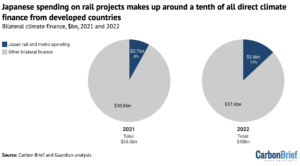
One of the largest challenges in climate adaptation finance pressure is the growing gap between what countries need and what global systems currently provide. Adaptation requires massive investment in water security resilient agriculture urban drainage energy reliability public health systems and coastal defense.
Yet most international climate capital still flows more strongly toward mitigation because emission reduction projects often produce clearer measurable returns for investors.
Renewable energy plants transport electrification and industrial efficiency projects attract private finance because revenue models are visible. Adaptation projects such as flood barriers wetlands drought insurance and rural resilience often produce public value rather than direct private profit.
This makes private investors more cautious. As a result adaptation receives less capital even though human vulnerability may be immediate. This imbalance has become central in international financial discussions because resilience cannot wait for ideal market conditions.
Large investment gaps also appear within national budgets. Governments may approve climate adaptation plans but fail to fully fund them because competing fiscal priorities remain intense. Defense health debt servicing fuel support and employment programs often consume large portions of annual expenditure. Adaptation projects then move slowly or remain incomplete.
A city may begin drainage redesign but not complete surrounding transport upgrades. A rural irrigation project may start but lack maintenance funding. Partial adaptation reduces effectiveness because climate systems affect connected sectors together.
Financial planning therefore must become integrated rather than isolated. Increasingly economists argue that adaptation spending should be embedded in every infrastructure budget rather than treated as a separate environmental category.
Roads should automatically include flood planning. Housing should automatically include heat resilience. Water projects should automatically include climate projections. This approach reduces long term cost because adaptation becomes part of standard development design Climate Funding Faces Pressure.
Debt Pressure and Adaptation Financing Challenges
Climate Funding Faces Pressure
Debt has become one of the strongest barriers to adaptation finance in vulnerable economies. Many countries already allocate large portions of annual revenue to debt repayment which leaves little room for large resilience spending. When climate disasters strike governments often borrow again for emergency reconstruction. This creates a cycle where recovery depends on debt while preventive adaptation remains underfunded.
Over time this pattern becomes economically dangerous because repeated borrowing without resilience increases future vulnerability. International institutions increasingly discuss debt swaps resilience linked lending concessional finance and climate grants as possible solutions. However available scale remains far below actual adaptation needs.
Countries repeatedly affected by floods droughts or storms argue that adaptation cannot rely mainly on commercial loans because resilience protects human security rather than generating quick financial return.
Debt pressure also affects investor confidence. Countries seen as highly climate vulnerable may face higher borrowing costs because lenders price climate risk into sovereign debt expectations. This means weak adaptation planning can indirectly increase financing costs.
Strong adaptation planning by contrast may improve confidence because investors see lower long term economic risk. Credit agencies increasingly monitor climate exposure because infrastructure loss food shocks and migration pressure affect repayment expectations.
Adaptation therefore becomes part of national macroeconomic credibility. Governments now understand that resilience planning can support both economic stability and borrowing reputation. This is why climate adaptation finance is increasingly discussed in central economic planning rather than only environment ministries.
Private Sector Role in Adaptation Finance
Private sector participation is expanding because businesses increasingly recognize that climate disruption affects supply chains insurance costs logistics labor productivity and infrastructure reliability. Companies involved in agriculture water technology transport construction and energy are beginning to invest in adaptation solutions because demand is growing.
Climate smart irrigation systems efficient cooling technologies drought resistant materials and water monitoring systems now attract significant commercial attention.
Financial institutions are also developing resilience bonds insurance linked finance and risk transfer products that support adaptation planning. However private capital still enters mainly where returns are visible. Large public adaptation needs such as coastal barriers community flood shelters rural resilience or public heat response remain dependent on governments.
For private adaptation finance to grow governments must provide stable policy frameworks. Investors prefer predictable regulation transparent climate risk reporting and long term planning signals. Countries with strong adaptation roadmaps often attract more external financing because investors can estimate project continuity. Public private partnerships are increasingly used in urban adaptation. Where transport drainage housing and utility systems intersect.
Cities become important because urban economic concentration means climate losses are expensive. Heatwaves flooding and water stress in cities directly reduce productivity and increase public expenditure. Municipal adaptation therefore becomes an important field for blended finance models.
Future Direction of Climate Adaptation Finance Pressure
The future of climate adaptation finance pressure will likely intensify. Because climate impacts accelerating faster than many financial systems were originally designed to handle. Even advanced economies now face repeated climate related losses through fires storms heat damage and water pressure.
This changes global political attention. Because adaptation is no longer viewed a developing country issue. More countries now understand.That resilience spending protects long term productivity social stability and fiscal health. Adaptation may increasingly become a standard component of every development budget rather than a special climate category. Financial innovation will likely expand through resilience bonds adaptation insurance blended capital and regional climate investment platforms.
Technology will also shape future adaptation costs. Better forecasting satellite monitoring digital agriculture and water intelligence systems can lower long term losses when integrated early. However technology alone is not enough because institutions must maintain and govern these systems effectively Climate Funding Faces Pressure.
Local knowledge engineering training and planning capacity remain essential. Countries that combine finance technology governance and long term policy will likely adapt more successfully. Climate adaptation finance pressure therefore represents one of the defining economic tests of modern governance because it determines whether societies can remain stable under changing environmental realities.
Nations that invest early may avoid severe future losses while those delaying adaptation may face rising fiscal instability social disruption and repeated recovery costs for decades ahead.
Related Article:
NATO Transatlantic Security Shift