





Climate Finance Faces Pressure
Global Economic Issues
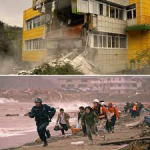
Climate finance has moved to the center of international economic debate because governments, financial institutions Climate Finance Faces Pressure , development agencies, and private investors increasingly face pressure to fund both climate mitigation and climate adaptation at a scale far larger than previous commitments. The phrase climate finance under pressure reflects a widening gap between what countries have promised and what climate reality now demands. Across the world, floods, droughts, heat waves, coastal erosion, crop failure, wildfire intensity, and infrastructure stress are increasing faster than many public financing systems can respond. This has transformed climate finance from a long-term policy discussion into an immediate economic necessity because delayed funding now produces visible social and financial losses across multiple sectors.
Climate finance includes public spending, international development support, private green investment, concessional lending, insurance systems, and institutional capital directed toward reducing emissions or strengthening resilience. For many years, climate finance discussions focused mainly on carbon reduction and renewable energy expansion. Today, however, the pressure has shifted heavily toward adaptation because vulnerable countries increasingly face direct physical impacts that cannot wait for long-term mitigation outcomes. A flood barrier, drought-resistant irrigation system, heat-resilient urban design, and emergency water infrastructure often require immediate financing while budgets are already strained by debt, inflation, and development needs.
The pressure has intensified because climate impacts are no longer limited to one region or one economic category. Agricultural economies face rainfall instability, coastal cities face repeated storm threats, transport systems face temperature damage, and public health systems face heat-related burdens. Every sector now competes for climate-related funding. Governments therefore confront difficult choices: whether to invest in resilience, energy transition, debt servicing, social protection, or emergency recovery. In many cases all are urgent at once, but available fiscal space is limited.
Another reason climate finance is under pressure is that climate costs rise faster than traditional budgeting models expected. Earlier projections often assumed slower adaptation needs, but repeated climate shocks now force countries to spend more on reconstruction and less on planned resilience. This creates a cycle where disasters consume money that could have reduced future risk. The longer this continues, the larger the financing gap becomes.
Climate finance has emerged as one of the most urgent economic challenges in the world because climate-related damage is accelerating faster than financial systems were originally designed to absorb. Governments across advanced and developing economies now face rising pressure to mobilize money for mitigation, adaptation, infrastructure resilience, agricultural stability, water security, and disaster recovery at the same time. The phrase climate finance under pressure reflects the growing mismatch between climate commitments and available capital. While climate policy once focused heavily on long-term targets, the reality now is that climate events are producing immediate financial consequences that affect budgets, development planning, public debt, insurance systems, and economic confidence.
Climate finance includes every financial flow directed toward reducing climate risk or supporting transition. It covers public investment, multilateral funding, concessional loans, green bonds, development bank programs, private clean energy investment, and adaptation spending at national and local levels. The difficulty today is not simply finding money but allocating enough money fast enough to match growing climate exposure. In many regions, one major flood season, one heat wave cycle, or one drought period can consume years of planned public investment, forcing governments to reallocate budgets from health, education, transport, or industrial growth toward emergency climate response.
The financial pressure has intensified because climate events are now more frequent, more expensive, and more disruptive to production systems. Agricultural losses affect food prices, damaged transport systems reduce trade efficiency, power systems become unstable under extreme heat, and water shortages force new infrastructure investment. These pressures mean climate finance is no longer isolated environmental spending. It now directly affects inflation, growth, labor productivity, and long-term fiscal planning.
Another reason climate finance has become central is that global economic institutions increasingly evaluate climate exposure when assessing future development pathways. Countries unable to finance adaptation may face slower growth because climate shocks repeatedly interrupt economic planning. This means climate finance is now closely tied to national competitiveness.
Finance Is Now More Urgent Than Ever
Adaptation finance has become one of the most urgent components of global climate policy because many countries already experience climate stress that cannot be delayed until long-term emissions goals are achieved. Adaptation means preparing infrastructure, agriculture, water systems, cities, and communities to survive changing climate conditions Climate Finance Faces Pressure.
In many developing economies, adaptation needs are rising faster than external support. Farmers require irrigation upgrades because rainfall patterns have shifted. Coastal regions require protective barriers because sea intrusion damages livelihoods. Urban areas need drainage redesign because rainfall intensity overwhelms old systems.
Unlike mitigation, adaptation often delivers local rather than globally visible benefits. A flood defense protects one region, but it does not always create headline international impact. This makes adaptation funding politically harder to mobilize even though it is immediately necessary.
The economic logic is clear: adaptation spending often costs less than repeated reconstruction after disasters. Yet many governments still lack sufficient capital to finance resilience at needed scale.
For many years climate finance discussions focused mainly on mitigation, especially reducing emissions through renewable energy, energy efficiency, and cleaner industrial systems. That remains important, but adaptation finance now demands equal or greater urgency because many countries already face climate impacts that cannot wait for long-term carbon reduction outcomes.
Adaptation finance supports systems that help societies survive changing conditions. This includes flood barriers, drought-resistant irrigation, stronger drainage systems, heat-resilient buildings, water storage networks, crop diversification, coastal defense, and early warning systems.
In many vulnerable economies adaptation costs rise every year because weather patterns are becoming less predictable. A delayed irrigation project can mean repeated agricultural loss. A delayed drainage investment can multiply urban flood damage.
Unlike mitigation, adaptation often produces local benefits rather than globally visible emission reductions. This sometimes makes it harder to attract international political attention even though its practical urgency is immediate.
The economic case is strong because adaptation often saves far more money than repeated reconstruction.
The Global Climate Funding Gap Continues to Expand
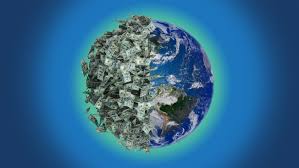
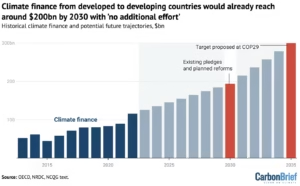
One of the biggest challenges is the widening gap between climate needs and actual available funding. Climate-related infrastructure, resilience planning, clean energy transition, and disaster preparation all require enormous investment.
Many vulnerable countries argue that promised support has not reached required levels quickly enough Climate Finance Faces Pressure.
This gap becomes larger because climate events now happen more frequently.
Every new climate shock creates fresh financial demand before previous gaps are closed.
Why Developing Economies Face the Greatest Financial Burden
Developing economies face the harshest climate finance pressure because they often contribute less historically to emissions but experience severe climate impacts with weaker fiscal capacity.
Agriculture-dependent economies are especially vulnerable because rainfall shifts immediately affect food systems.
Debt pressure makes climate borrowing harder.
Many governments must choose between immediate social spending and long-term resilience.
Private Capital Has Not Fully Closed the Gap
Private finance has entered climate investment strongly in renewable energy, but adaptation still attracts less capital.
Investors often prefer projects with predictable returns such as solar generation.
Flood barriers, drought resilience, and rural adaptation often produce public benefit rather than direct profit.
This leaves governments carrying heavier adaptation responsibility.
Climate Finance and Public Debt Now Interact Directly
Many countries already carry heavy debt burdens.
When climate shocks occur, borrowing increases further.
That creates a dangerous cycle where disaster recovery raises debt while reducing future climate investment capacity.
Debt and climate vulnerability increasingly reinforce each other.
Green Investment Pressure Is Reshaping National Budgets
Countries now redesign budgets to include energy transition spending, resilience projects, and environmental risk planning.
But every budget has limits.
Education, health, transport, and climate all compete for the same fiscal space.
This makes climate finance politically complex Climate Finance Faces Pressure.
Loss and Damage Financing Is Becoming Central
A major new debate focuses on loss and damage.
This refers to climate harm already occurring beyond normal adaptation capacity.
Countries facing repeated floods, drought losses, and displacement increasingly seek dedicated support.
This raises new financial expectations globally.
Why Climate Finance Is Also a Geopolitical Issue
Climate finance is no longer only environmental policy.
It affects diplomacy, trade relations, development trust, and global negotiation power.
Funding commitments influence international credibility.
Financial delivery increasingly shapes diplomatic relationships.
Agriculture Is at the Center of Climate Finance Pressure
Agriculture absorbs major climate pressure because water stress, heat, and soil instability directly affect food systems.
Irrigation, seed technology, and rural resilience all require investment.
Without financing, food security risks rise.
This links climate directly to inflation and social stability.
Urban Climate Costs Are Rising Rapidly
Cities now face major climate adaptation costs.
Drainage systems, cooling infrastructure, transport resilience, and flood planning all require capital.
Urban climate finance is rising because population density magnifies risk.
Cities often become first responders to climate stress.
Insurance Systems Are Also Under Pressure
Climate-related insurance costs are rising globally.
Repeated disasters increase claims and pricing pressure.
Some regions become harder to insure.
This shifts more burden onto governments Climate Finance Faces Pressure.
Renewable Energy Still Requires Massive Climate Finance
Mitigation remains expensive too.
Solar grids, transmission systems, storage, and clean industrial transitions require long-term financing.
Even countries with strong renewable ambition face capital limits.
Transition speed often depends on financing access.
Climate Finance Pressure Will Define Future Economic Policy
Climate finance will likely become one of the defining economic questions of the next decade because climate impacts now intersect directly with debt, infrastructure, agriculture, trade, migration, and public welfare.
The countries that build strong climate financing systems early will manage shocks better.
Those with weak financing may face repeated economic strain.
That is why climate finance under pressure is no longer a future issue but one of the strongest present challenges shaping global economic stability today Climate Finance Faces Pressure.