






Gunmen abducted more than 300 students and teacher
On a deeply troubling weekend in Nigeria, gunmen abducted more than 300 students and teachers from a Catholic school in Niger State . But in a rare piece of good news, fifty of those children managed to escape between Friday and Saturday. The development, confirmed by church authorities, has sparked a wave of relief, outrage, and renewed calls for decisive action to end the cycle of school kidnappings plaguing large swaths of Nigeria.
This article explores the incident in depth . What happened, how the escape unfolded, the broader context of school abductions in Nigeria, and the implications for security, policy, and the future of education in conflict-affected areas.
The Incident: What Happened at St. Mary’s School
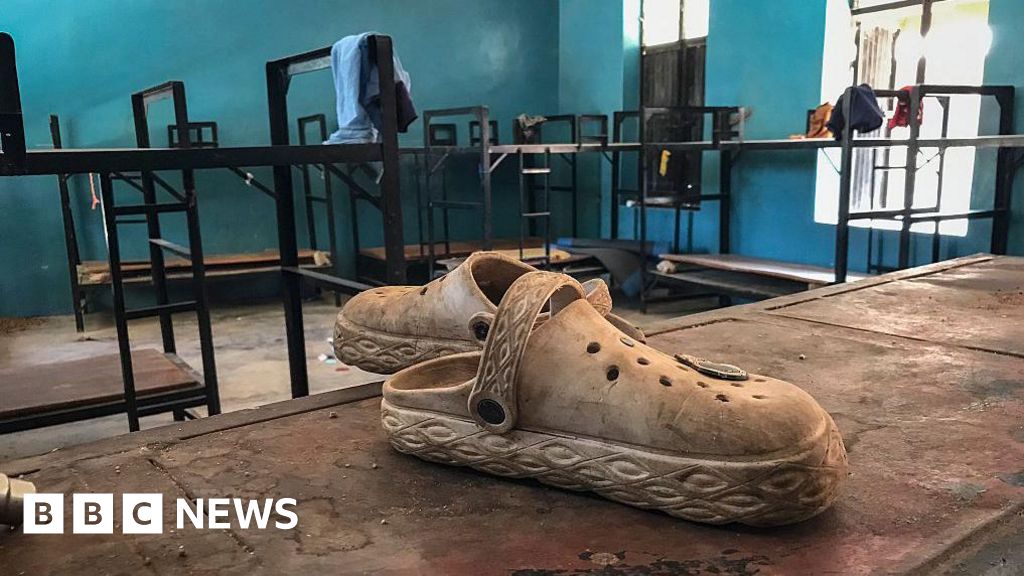
The mass abduction occurred at St. Mary’s Catholic Primary and Secondary School, located in Papiri, a remote community in Niger State, north-central Nigeria. Early on a Friday, armed gunmen reportedly stormed the school compound, forcibly abducting students and teachers. According to the Christian Association of Nigeria (CAN), 303 students and 12 staff members were taken during the raid, making this one of the largest school kidnappings in recent memory.
The assailants’ identities remain unclear; no group immediately claimed responsibility. Some reports characterise them as “bandits,” a term often used in Nigeria to refer to loosely organised criminal gangs who kidnap for ransom rather than formal insurgent groups.
Authorities and local leaders launched search and rescue operations in the days that followed, involving security forces, tactical squads, and even local hunters. A common feature in Nigeria’s anti-kidnapping responses. Meanwhile, schools in Niger State and several neighbouring areas were temporarily closed over security concerns.
The Escape: How Fifty Children Fled Captivity
Between Friday and Saturday, fifty of the abducted pupils managed to escape their captors and make their way back to their communities. This information was confirmed by Most Rev. Bulus Dauwa Yohanna, the Chairman of CAN in Niger State and Bishop of the Kontagora Diocese.
According to statements from church officials, the escape was largely individual: the children fled separately rather than in a coordinated mass breakout. CAN reportedly verified their return by contacting parents and touring homes in the days following their escape.
However, even as news of their return brought relief, officials cautioned that 253 children and 12 staff members remain in the hands of their abductors. In his public remarks, Bishop Yohanna urged calm and ongoing prayer, stressing continued collaboration with security agencies and community leaders to secure the release of the remaining hostages.
The Human Impact: Families, Trauma, and Hope
For the fifty children who escaped, the return was undoubtedly a moment of relief, re connection, and trauma. Many parents rushed to the school and local homes to confirm that their children were among those freed. Still, even a partial return underscores just how fragile safety is for students in certain Nigerian regions.
According to CAN leaders, the ages of the abducted children range broadly, from about 10 to 18 years old. That wide age span means the psychological toll of the kidnapping and the experience of captivity may vary dramatically by child. For younger children, the confusion, fear, and possible violence of the ordeal can be deeply scarring. For older ones, there may be added layers of anxiety, negotiation, or trauma.
Beyond the escapees, more than 250 children and over a dozen staff remain missing, their fate uncertain and their families desperate. The uncertainty is painful and protracted. Parents and community members face the agonising wait for more news, even as security forces continue operations and church leaders mobilise for further action.
Security Context: Why School Kidnappings Happen in Nigeria
This tragic event did not happen in a vacuum. School kidnappings have become one of the most dangerous security trends in Nigeria, particularly in its northern and central regions. Several factors help explain why schools remain vulnerable targets:
- Armed Gangs & “Bandits”
Unlike organised insurgent groups with political motives, many of the perpetrators of school kidnappings are criminal gangs. They exploit weak state presence, porous rural areas, and forested terrains to conduct abductions, often for ransom. - Ransom Economics
Kidnapping schoolchildren has become a lucrative business. Paying ransom can yield substantial payouts, and high-profile abductions attract greater attention, raising pressure on authorities or families to pay. Experts suggest that ransom remains a leading motive behind such mass abductions. - Weak Institutional Protection
In many remote areas, schools lack adequate security infrastructure. Dormitories may be loosely guarded, barricades might be minimal, and emergency response protocols are often underdeveloped. Local security forces may be overstretched or slow to respond to attacks. - Community Complicity & Limited State Presence
In some regions, local populations distrust the state or lack confidence in its ability to protect them. This, combined with corrupt or under-funded law enforcement, enables kidnappers to operate with limited resistance. Furthermore, local vigilante groups or “hunters” are sometimes mobilised to chase abductors, but their effectiveness varies. - Cycle of Fear & School Closures
Each mass kidnapping reverberates across communities. Authorities, in response, may shut down schools temporarily but this disrupts education, isolates children, and creates more opportunity costs. Over time, some parents may hesitate to send children to boarding institutions, aggravating educational inequities.
Political & Social Response
Role of the Church and Civil Society
The Christian Association of Nigeria (CAN) has played a central role since the kidnapping was first reported. Through its Niger State leadership, CAN has facilitated communication with parents, verified the identities of escapees, and called for both prayer and concrete action to free the remaining children.
Religious leaders have also publicly appealed to the kidnappers, urging them to release their captives. Such spiritual pressure, especially when accompanied by broad media attention, can help galvanise both public sentiment and governmental response.
Government and Security Forces
Following the abduction, security agencies dispatched tactical units to search for the remaining captives. These operations often involve coordination with local law enforcement, military, and community-based militias or local “hunters.” But in Nigeria, organising a swift and effective response remains a recurring challenge, especially in remote areas.
At the same time, political pressure is mounting. With one of the largest school abductions in recent history, this incident raises serious questions about the role of the state in guaranteeing safe access to education. Families, activists, and civic leaders are likely to press for new measures: stronger school security, better intelligence, and more resources for rescue operations.
International and Global Attention
The severity of the kidnapping has drawn international concern. The targeting of schoolchildren, especially in mass abductions, resonates globally. Recalling past tragedies and fuelling debates about human rights, education, and national security.
Agencies such as UNICEF have frequently called for improved protection of children in conflict regions. While not specific to this event, UNICEF’s broader advocacy underscores a critical point: kidnapping children undermines not just individual lives, but the foundational right to education.
The Bigger Picture: Nigeria’s Kidnapping Crisis
To fully understand the significance of the escape of those fifty children, we need to place this event within Nigeria’s broader security crisis.
A Pattern of School Abductions
This is far from the first mass abduction in Nigeria. Over the past years, dozens of schools have been targeted, with hundreds of students taken and, in some cases, transported across state lines or held in densely forested areas.
Notably, in March 2024, more than 200 students were abducted from a school in Kuriga, Kaduna State, in a brazen attack by gunmen on motorcycles. That event underscored the recurring nature of school kidnappings and the cyclical challenge facing authorities.
The Legacy of Chibok and International Memory
Many Nigerians remember with horror the 2014 Chibok schoolgirl abductions, when Boko Haram militants kidnapped hundreds of girls. An incident that sparked the global #BringBackOurGirls campaign. While the current kidnappers are believed to be “bandits” rather than Islamist insurgents, the resonance of the Chibok tragedy lingers, shaping public outrage and international pressure.
Implications for Education
Persistent kidnappings have a chilling effect on schooling in affected regions. Parents may fear sending their children to boarding schools; educators may avoid certain areas; infrastructure may remain underfunded; and communities may demand school closures. The loss of education not only harms the abducted children but also undermines long term development and stability.
Risks, Challenges, and What Comes Next
Challenges to Rescue
- Remote terrain: Forests, rural tracks, and difficult geography hamper rescue missions and intelligence-gathering efforts.
- Lack of clarity on perpetrators: With no confirmed group claiming responsibility, coordinating a counter operation becomes more complex.
- Resource constraints: Security forces may lack sufficient manpower, funding, or specialised training to respond to mass abductions quickly.
- Security vs. negotiation: There may be tension between rescuing children by force and negotiating for their release. The risk of violence during rescue operations is real.
- Risks for the Children
- Trauma and psychological damage: Even escape does not erase the experience. Many of these children will likely need psychological support, counselings, and reintegration assistance.
- Stigmatisation: In some communities, returning abducted children face stigma, either because of how they escaped or because others did not.
- Risk of re-abduction: Without improved security, these children remain vulnerable to future attacks, especially if they return to the same school settings.
Policy and Structural Reforms Needed
- Enhanced School Security
- Install stronger perimeter defences (walls, sensors, CCTV)
- Employ trained security personnel at vulnerable schools
- Develop early warning systems, including alarm protocols and rapid response teams
- Community + Government Partnerships
- Empower local vigilante groups or “hunters” through formal training and integration with national security apparatus
- Foster community watch programs focused on protecting schools
- Strengthen local intelligence gathering to identify threat patterns before they escalate
- Legislation and Penalties
- Enact strict laws and sentencing guidelines specifically for mass kidnappings
- Improve prosecutorial resources to hold perpetrators accountable
- Support regional cooperation where kidnappers operate across state lines
- Child Rehabilitation & Support
- Provide trauma counselings and reintegration programs for escapees
- Establish government funded education grants and scholarships for returnees
- Prioritise mental health services in affected communities
- International Engagement
- Collaborate with international organisations (like UNICEF, UN) to secure funding and technical assistance
- Encourage global advocacy to maintain pressure on national and local governments
- Leverage foreign diplomatic channels to help negotiate release and support reforms
Ethical and Moral Dimensions
The Value of Human Life vs. Political Cost
When children are abducted at school, the moral stakes are immense. These are not just statistics; these are individuals with dreams, families, and futures. The escape of fifty is cause for gratitude, but it also throws a harsh spotlight on how many more remain in peril. It forces us to ask: what will be done for the others and why have such mass abductions become almost normalised in some parts of Nigeria?
The Role of Faith Institutions
Churches and faith-based organisations play a dual role: they are victims, advocates, and mobilisers. In this case, the Christian Association of Nigeria has been central in both confirming the escape and urging continued rescue efforts. Their moral credibility and grassroots networks make them pivotal actors in the rescue and reintegration process.
Global Responsibility
The world watches — and often responds in outrage. But global condemnation must translate into tangible support: funding, expertise, pressure. The international community has a role in helping Nigeria break the cycle of terror and ransom-driven violence. It’s a matter not just of national security, but of global human rights.
What the Escape Really Means: Analysis & Outlook
A Ray of Hope and a Warning
The escape of fifty pupils is undeniably a hopeful moment amid a crisis. It demonstrates resilience, courage, and perhaps gaps in the kidnappers’ control. Yet, it also serves as a solemn reminder that most of the abducted are still in captivity, and that the underlying systems that enable these kidnappings have not been decisively dismantled.
Momentum for Change
This incident could galvanise momentum on multiple fronts:
- Public pressure may force the government to adopt stronger policies on school protection.
- Religious leaders may leverage their influence to push for community-based rescue or prevention mechanisms.
- International partners might deepen their engagement, offering technical help and resources to secure schools and support victims.
The Long-Term Battle
Even as some children return, the fight is far from over. Preventing future kidnappings will require sustained commitment from local communities, national authorities, and international allies. Education must remain a right worth defending, not a vulnerability to be exploited.
Conclusion
The escape of fifty children from a mass abduction in Niger State, Nigeria, is a powerful, humanising headline and yet, it barely scratches the surface of a deeper crisis. Beyond the relief, there is fear: of the more than 250 still held, of future kidnappings, and of a system that continues to struggle to protect its most vulnerable.
This incident highlights the urgent need for comprehensive reform: in security policy, school protection, community mobilisation, victim rehabilitation, and government accountability. It also reaffirms the moral imperative to treat such events not as unfortunate anomalies, but as crises requiring systematic redress.
Nigeria’s future depends not only on the safe return of all abducted students but on stronger institutions, better prevention, and collective courage from parents and priests, from communities and leaders, from national governments and the global community.
Related Article :