





Hormuz Defense Alliance Pressure
The Strait of Hormuz Hormuz Defense Alliance Pressure has once again become the center of global strategic attention as growing military pressure and diplomatic signaling reshape how major powers think about energy security maritime defense and alliance responsibility. The phrase Hormuz Defense Alliance Pressure now captures one of the most urgent geopolitical discussions in international affairs because the narrow waterway is not merely a regional corridor but one of the most economically sensitive passages in the world. Every development in this area carries consequences for oil markets inflation foreign policy naval deployments and diplomatic calculations across continents.
The reason the pressure is so intense is simple. A large share of global energy trade passes through this narrow maritime route every day. Tankers carrying crude oil natural gas and refined petroleum products leave Gulf terminals and move through this channel toward Asia Europe and beyond. Any threat to movement through this corridor instantly becomes a global concern because energy prices respond faster than almost any other market indicator.
The current phase of pressure has intensified after renewed military incidents around commercial shipping and new calls for allied security cooperation. Political leaders especially in Washington have argued that countries benefiting from Gulf energy routes should contribute more actively to maritime protection. This argument has transformed a regional maritime security issue into a wider alliance debate that now includes questions of burden sharing strategic responsibility and economic self protection.
Strategic Geography Behind the Crisis Hormuz Defense Alliance Pressure
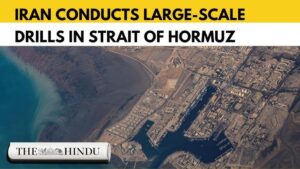
The Strait of Hormuz is geographically narrow yet globally enormous in importance. It connects the Persian Gulf to the Gulf of Oman and then onward to the Arabian Sea where global shipping lanes branch toward multiple continents.
Its narrowest navigable channels create strategic vulnerability because ships moving through the area cannot easily avoid danger if military threats emerge. Commercial tankers operate on carefully organized transit lanes making them predictable in movement and timing.
This predictability increases exposure during periods of tension.
Geography therefore gives regional actors powerful influence even without deploying large naval fleets. A limited number of drones fast boats missiles or sea mines can create worldwide economic consequences.
This explains why global powers monitor the area continuously.
Why Alliance Pressure Is Growing Hormuz Defense Alliance Pressure
The concept of alliance pressure emerged because many countries depend heavily on the safe operation of this corridor yet military protection historically relies heavily on United States naval capacity.
Recent calls for broader allied involvement reflect a growing belief that shared economic dependence should produce shared security responsibility.
Countries importing major quantities of Gulf oil are increasingly being asked to contribute naval assets surveillance systems logistics coordination or maritime intelligence.
This request is not only military in nature. It is also diplomatic because participation signals political commitment to maintaining open global trade routes.
However not all countries respond equally .
Some allies support stronger protection but remain cautious about entering a highly sensitive confrontation zone.
Others favor technical support over direct military deployment.
This difference creates pressure inside alliances because strategic interests are shared but political methods vary.
Oil Security at the Core
Oil remains the central reason why Hormuz matters. A major percentage of internationally traded crude passes through the corridor each day. Even temporary uncertainty can push prices upward because traders immediately calculate possible supply restrictions.
This market sensitivity reflects how difficult it is to replace disrupted Gulf volume quickly. Alternative supply routes exist but cannot fully compensate during sudden disruption.
That means global energy pricing often reacts before actual supply loss occurs. Fear alone changes contracts insurance and futures pricing. Industrial economies monitor this closely because fuel cost changes quickly affect manufacturing transport agriculture and consumer inflation.
Naval Strategy and Maritime Deterrence
Modern naval strategy in Hormuz depends less on traditional fleet confrontation and more on deterrence surveillance and route control.
The challenge is not constant battle but preventing sudden limited attacks that produce strategic shock. Naval patrols therefore focus on escort patterns radar monitoring intelligence sharing and rapid interception capacity.
Destroyers patrol near transit lanes while surveillance aircraft observe maritime movement. Mine detection units remain essential because sea mines are among the most disruptive low cost threats in narrow waterways. A single confirmed mine incident can alter tanker scheduling for days. The strategic goal is to make attacks difficult without turning every transit into military escalation.
Iran and Asymmetric Maritime Pressure
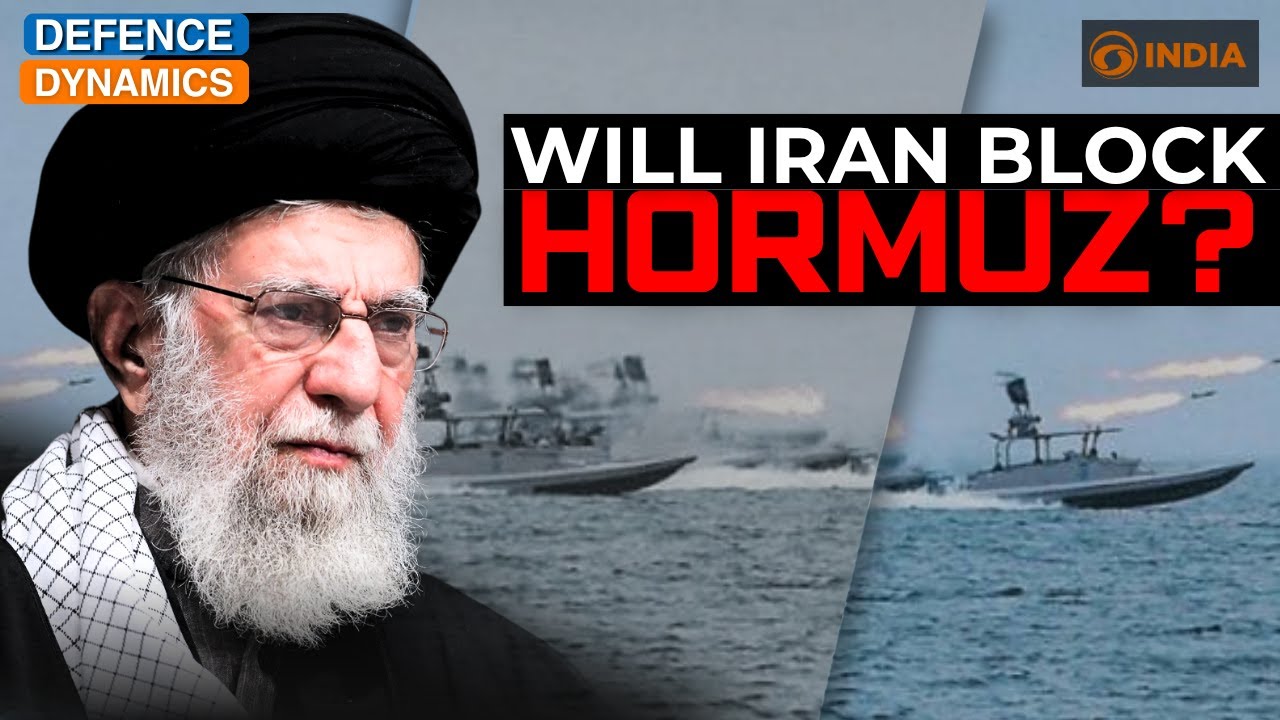
Iran plays a central role in Hormuz calculations because of geography and doctrine.
Its coastline along the northern side of the strait creates immediate operational relevance. Iranian military doctrine has long emphasized asymmetric tools rather than conventional naval confrontation.
This includes drones short range anti ship missiles fast attack craft and mine deployment capability. Such tools are effective because they exploit narrow maritime space. They do not need to destroy many ships to create major economic effect.
Even one successful strike changes insurance costs and investor confidence. This strategic logic explains why global powers treat every incident seriously.
Commercial Shipping Under Pressure
Shipping companies react rapidly when risk rises. Insurance rates increase almost immediately. Tankers may delay departure if threat levels rise sharply. Shipping firms calculate whether to proceed hold cargo or seek revised routes.
For many carriers there are few realistic alternatives because Hormuz remains the shortest route for Gulf exports. That means delay rather than rerouting often becomes the only option.
Delay itself creates market tension because storage systems onshore cannot expand endlessly. Port congestion also increases when departure schedules shift. The economic effect therefore spreads beyond the waterway itself.
Insurance and Freight Costs
Insurance markets often reveal the seriousness of maritime tension before governments make official announcements. When underwriters classify a route as higher risk shipping costs rise sharply. This affects not only crude oil but also petrochemicals industrial cargo and container movement linked indirectly to Gulf trade.
Freight contracts become more expensive. Importers pay more.
Consumers later absorb part of the increase through product pricing. Thus a military signal in Hormuz becomes an economic signal worldwide.
European Strategic Debate
European countries face complex choices in the Hormuz debate. They rely on global market stability yet often prefer diplomatic de escalation over direct naval confrontation.
Some governments support maritime observation missions. Others favor intelligence sharing rather than combat deployment. Political leaders must weigh alliance expectations against domestic concerns about entering another volatile regional theater.
This creates internal debate across capitals. The larger issue concerns whether protecting global trade corridors should automatically trigger military participation beyond Europe. Hormuz has therefore become part of a wider strategic identity discussion.
Asian Dependence and Strategic Restraint
Asian economies may have the strongest direct exposure because many major importers receive large portions of their oil through Gulf shipping.
Japan South Korea India and China all monitor Hormuz closely.
Yet direct military participation remains politically sensitive for several reasons. Regional diplomatic balance matters. Relations with Gulf producers matter. Relations with Iran matter.
As a result many Asian states prefer quiet coordination rather than visible frontline deployment. Still economic dependence ensures they remain central in any long term security discussion.
United States Naval Burden
The United States continues to carry the largest naval role in Gulf protection. Carrier groups destroyers surveillance aircraft and logistics networks provide unmatched presence.
However Washington increasingly argues that such presence should not remain a unilateral responsibility when allies benefit equally from safe trade routes.
This burden sharing argument is one of the strongest political themes in current maritime diplomacy. It influences alliance discussions far beyond the Gulf.
Energy Markets and Inflation Risk
Every movement in oil prices affects broader inflation. Transport companies pay more for fuel. Factories pay more for power and raw material delivery.
Food prices often rise because agricultural transport depends heavily on fuel. Air travel becomes more expensive. Governments monitor these effects because inflation pressure influences monetary policy.
Central banks cannot ignore prolonged energy volatility. Hormuz therefore shapes not only foreign policy but domestic economic planning in dozens of countries.
Strategic Reserves and Long Term Planning
Countries exposed to Hormuz risk often rely on strategic petroleum reserves during crisis periods.
These reserves provide temporary market reassurance. However they are not permanent substitutes for stable shipping. Long term planning therefore focuses on diversification. Pipeline alternatives become more attractive.
Renewable investment gains strategic value. Energy import diversification accelerates. Each crisis teaches the same lesson that overdependence on narrow corridors creates vulnerability.
Gulf Producers and Regional Stability
Gulf exporting countries also face direct pressure. Their economic stability depends on uninterrupted exports.
Saudi Arabia United Arab Emirates Qatar and others maintain close coordination with maritime security partners while also trying to avoid full regional escalation. They prefer open routes predictable exports and stable pricing.
Regional diplomacy often aims to prevent incidents from becoming broader confrontation because export continuity is essential to fiscal planning.
Military Escalation Risks
The danger in Hormuz is not only deliberate attack but accidental escalation.
In crowded waters with military ships surveillance aircraft drones and commercial tankers reaction time is limited. Misinterpretation can escalate quickly.
A warning signal mistaken for attack can trigger response.
This is why communication channels remain crucial even during tension.
Military planners focus heavily on avoiding accidental confrontation.
Global Trade Beyond Energy
Although oil dominates discussion many other goods depend indirectly on stable Gulf shipping.
Petrochemicals fertilizers industrial inputs and container traffic all connect to regional ports. Disruption therefore affects manufacturing chains far beyond fuel markets. Industries dependent on timely delivery experience cost increases when maritime schedules change.
Global supply chains are highly sensitive to shipping uncertainty. Hormuz illustrates how narrow geography influences vast economic systems.
Diplomatic Paths Forward
Despite visible military preparation diplomacy remains active. Back channel communication often intensifies during visible crisis periods.
The objective is simple keep shipping safe without widening conflict. Historically maritime crises often ease when deterrence and diplomacy operate together.
Visible naval readiness reduces immediate threat while negotiation creates space for restraint. This remains the most likely path to temporary stabilization.
Alliance Pressure as Future Model
Hormuz may become a model for future alliance discussions about maritime chokepoints. Other strategic corridors including major canals and narrow sea passages face similar vulnerability.
The lesson is that economic globalization requires security cooperation but political willingness varies. Future coalitions may be designed more quickly because current debates expose operational gaps.
Political Messaging and Domestic Audiences
Calls for alliance contribution also serve domestic political messaging. Leaders demonstrate firmness by demanding that partners share responsibility.
This shapes public perception of fairness in international commitments. Foreign policy statements therefore operate both externally and internally. Hormuz pressure becomes part of broader political narratives about leadership strength burden sharing and national interest.
Financial Markets and Investor Confidence
Financial markets react not only through oil but also through currency movement shipping stocks and industrial forecasts. Investors watch whether disruption appears temporary or prolonged.
If prolonged capital shifts toward safe assets often begin. Energy importing economies face currency stress if oil costs remain elevated. Thus Hormuz pressure reaches financial systems very quickly.
Technology and Maritime Monitoring
Modern maritime defense increasingly depends on technology.
Satellite observation drone surveillance digital route analysis and predictive threat modeling now shape naval planning. This reduces blind spots but does not eliminate risk.
Technology improves awareness yet decision speed remains critical in narrow waters. Future defense alliances may rely even more heavily on shared digital surveillance.
Hormuz Defense Alliance
Hormuz Defense Alliance Pressure captures one of the most important geopolitical realities of the present moment. A narrow maritime corridor now influences alliance politics military planning inflation market psychology and strategic diplomacy across the world.
The pressure exists because the waterway links regional conflict with global consequence.
Every tanker crossing the strait carries more than oil. It carries economic stability pricing confidence and political calculation for multiple continents.
As long as military tension remains possible the world will continue watching Hormuz closely because what happens there affects far more than regional navigation.
The future of maritime cooperation alliance responsibility and global energy resilience will increasingly be shaped by how nations respond to this pressure now.