




Nearly 30,000 Trafficked Animals Rescued in a Month Long Global Operation Led by Interpol A Turning Point in the Fight Against Wildlife Crime
Introduction A Global Crime Hidden in Plain Sight
Wildlife trafficking has long been one of the most profitable and destructive transnational crimes in the world, yet it often operates far from public attention.
In a powerful demonstration of international cooperation, nearly 30,000 trafficked animals were rescued during a month-long global operation led by Interpol, marking one of the largest and most successful crackdowns on wildlife crime in history. The operation did more than seize animals it exposed the vast scale of illegal wildlife networks and highlighted the growing determination of global authorities to dismantle them.
This unprecedented effort has become a trending global current affairs topic, not only because of the staggering number of animals saved but also because it signals a shift in how seriously governments are beginning to treat environmental crime. The operation sent a clear message: wildlife trafficking is no longer a low-risk, high-profit crime.
Understanding Wildlife Trafficking A Global Threat
Wildlife trafficking is the illegal capture, trade, transport, or sale of wild animals and plants. It ranks among the top global criminal industries, alongside drug trafficking, arms smuggling, and human trafficking.
Why Wildlife Trafficking Persists
Several factors contribute to the persistence of wildlife crime:
- Weak enforcement in some regions
- Corruption and organised crime networks
- Online marketplaces and dark web platforms enabling anonymous trade
The illegal wildlife trade is estimated to generate billions of dollars annually, making it highly attractive to criminal syndicates. Unlike drugs or weapons, wildlife products often carry lighter penalties, encouraging traffickers to exploit legal loopholes.
The Interpol Led Global Operation: An Overview
The month-long global operation coordinated by Interpol, in collaboration with customs authorities, environmental agencies, and national law-enforcement bodies, targeted wildlife trafficking routes across continents.
Scope and Scale of the Operation
- Duration: One month
- Countries involved: Over 130
- Agencies participating Police, customs, border security, environmental protection units
- Focus: Live animals, animal parts, illegal timber, protected plants, and wildlife derivatives
The operation was not confined to one region. Instead, it targeted source countries, transit hubs, and destination markets, making it one of the most comprehensive wildlife enforcement efforts ever conducted.
Nearly 30,000 Animals Rescued The Shocking Numbers
The rescue of nearly 30,000 live animals underscores the industrial scale at which wildlife trafficking operates.
Types of Animals Rescued
The rescued animals included:
- Reptiles including snakes, turtles, and lizards
- Primates trafficked for the illegal pet trade
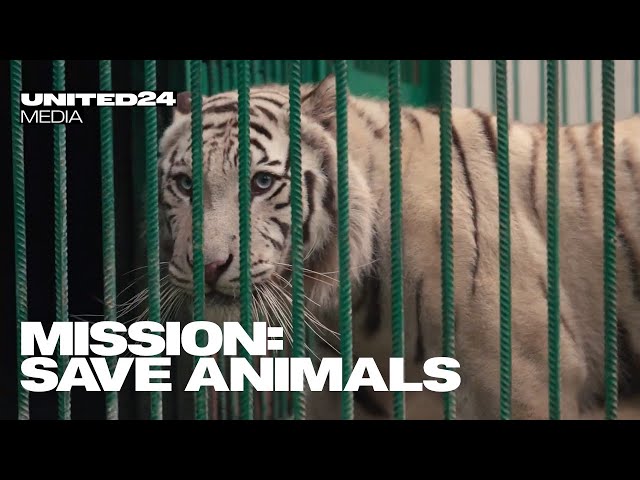
- Big cats and other endangered mammals
- Amphibians and rare insects
Many of these species are protected under international conservation laws and face extinction in the wild.
Conditions of Rescued Animals
Trafficked animals are often found:
- Packed tightly in crates or bags
- Sedated or injured
- Malnourished and dehydrated
- Exposed to extreme temperatures
For many animals, rescue came just in time. Without intervention, most would not have survived transportation.
How the Operation Worked Intelligence, Technology, and Cooperation
The success of the operation was driven by intelligence-led policing and unprecedented cooperation among countries.
Intelligence Sharing
Interpol coordinated intelligence sharing between nations, enabling authorities to:
- Identify trafficking routes
- Track repeat offenders
- Monitor suspicious shipments
- Link wildlife crime to organised criminal groups
Technology in Wildlife Crime Detection
Modern technology played a crucial role:
- Data analytics to identify trafficking patterns
- Scanning technology at ports and airports
- Cyber crime units monitoring online wildlife sales
- DNA analysis to trace animal origins
This combination of traditional enforcement and modern technology dramatically increased detection rates.
Organised Crime and Wildlife Trafficking
One of the most significant revelations from the operation was the deep involvement of organised crime networks.
Wildlife Crime Is Not a Minor Offence
Trafficking networks often overlap with:
- Drug trafficking
- Money laundering
- Arms smuggling
- Human trafficking
Profits from wildlife crime are frequently used to fund other illegal activities, destabilising regions and undermining governance.
Arrests and Investigations
The operation identified hundreds of suspects, leading to arrests, asset seizures, and ongoing investigations. Authorities emphasised that dismantling these networks requires sustained international pressure, not one-off operations.
Environmental Impact Why These Rescues Matter
Saving trafficked animals is not just about animal welfare it is about protecting entire ecosystems.
Biodiversity at Risk
Removing species from the wild can:
- Disrupt food chains
- Reduce genetic diversity
- Accelerate species extinction
- Damage ecosystems that support human livelihoods
Some of the rescued species play critical ecological roles, such as seed dispersal, pest control, and maintaining forest health.
Human Health and Bio security Risks
Wildlife trafficking also poses serious public health risks.
Disease Transmission
Illegal wildlife trade can spread:
- Zoophytic diseases
- Invasive species
- Parasites and pathogens
The global movement of live animals without health screening increases the risk of outbreaks that can affect humans, livestock, and native wildlife.
Economic Consequences of Wildlife Trafficking
Beyond environmental damage, wildlife crime has major economic costs.
Impact on Legitimate Economies
- Loss of tourism revenue
- Damage to legal wildlife industries
- Increased enforcement and healthcare costs
Countries rich in biodiversity often suffer the greatest losses, as illegal exploitation undermines sustainable development.
Rehabilitation and Reintroduction What Happens After Rescue
Rescuing animals is only the first step. Authorities face complex challenges in caring for and rehabilitating seized wildlife.
Immediate Care
Rescued animals require:
- Veterinary treatment
- Quarantine to prevent disease spread
- Proper nutrition and habitat
Long-Term Outcomes
Depending on the species and condition:
- Some animals are rehabilitated and released into the wild
- Others are placed in sanctuaries or conservation centres
- In rare cases, animals cannot be returned to natural habitats
These efforts require significant funding and expertise, highlighting the long-term cost of wildlife crime.
Global Cooperation A Model for Future Action
The operation demonstrated that international cooperation works.
Why Collaboration Is Essential
Wildlife trafficking crosses borders, making unilateral enforcement ineffective. Coordinated global action allows:
- Faster intelligence sharing
- Harmonised enforcement strategies
- Greater pressure on criminal networks
Interpol emphasised that sustained cooperation is key to making such successes permanent.
Policy Implications and the Way Forward
The success of this operation has renewed calls for stronger global action.
What Needs to Change
- Tougher penalties for wildlife crime
- Better funding for enforcement agencies
- Stronger regulation of online wildlife trade
- Greater public awareness and education
Governments are increasingly recognising that wildlife crime is not just an environmental issue but a serious security and economic threat.
Public Awareness The Role of Consumers
Demand drives wildlife trafficking. Without buyers, the trade would collapse.
How Individuals Can Help
- Support conservation organisations
- Report suspected wildlife trafficking
- Promote ethical tourism
Public awareness campaigns are essential to reduce demand and change consumer behaviour.
A Landmark Moment in Wildlife Protection
The rescue of nearly 30,000 trafficked animals in a single global operation marks a historic moment in conservation and law enforcement. It proves that when countries unite, even the most entrenched criminal networks can be disrupted.
However, authorities stress that this is not the end of the fight. Wildlife trafficking remains a lucrative and adaptable crime. Continuous enforcement, stronger laws, and global cooperation will be essential to build on this success.
Conclusion Hope Action and Responsibility
This Interpol-led operation has shown the world both the scale of wildlife trafficking and the power of coordinated action. The rescued animals represent more than a statistic they symbolise hope for endangered species and a renewed global commitment to protecting the planet’s natural heritage.
As environmental challenges grow more urgent, this operation stands as a reminder that protecting wildlife is inseparable from protecting humanity’s future.