



Olympic Ceasefire Call vs. Ongoing Wars A Symbolic Appeal in a World at War
The Ideal of Peace Meets the Reality of Conflict
Every time the Olympic Games approach, the world hears a familiar yet powerful appeal: a call for peace Olympic Ceasefire Call. Known as the Olympic Ceasefire, this ancient tradition urges nations to suspend hostilities and allow humanity to unite through sport. Rooted in classical Greece, the Olympic Ceasefire represents the belief that global harmony, even if temporary, is possible.
However, in the modern era, this symbolic call increasingly collides with the harsh realities of geopolitics. As the world prepares for upcoming Olympic Games, armed conflicts continue across multiple regions. Wars rage on despite diplomatic appeals, humanitarian pleas, and international resolutions. This contrast between idealism and realism highlights a profound question: Does the Olympic Ceasefire still matter in a world dominated by prolonged wars, power politics, and strategic interests?
This article explores the origins, relevance, and challenges of the Olympic Ceasefire in the context of ongoing global conflicts, analyzing why peace appeals struggle to influence modern warfare while still retaining moral and diplomatic significance.
Every Olympic season arrives with a powerful message that transcends borders, languages, and political systems: a call for peace. The Olympic Ceasefire is more than a tradition. It is a moral appeal asking nations to pause hostilities and allow humanity to gather under the banner of unity, competition, and shared values. In theory, it is a moment when guns fall silent and human achievement takes center stage.
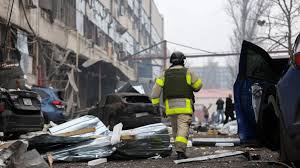
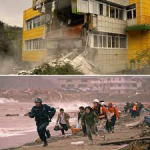
Yet, the modern world tells a different story. As Olympic host cities prepare stadiums and athletes train for excellence, wars continue unabated. Missiles still launch, cities remain under siege, and millions live under the shadow of conflict. The stark contrast between the Olympic Ceasefire call and ongoing wars highlights one of the most pressing dilemmas of our time: Can symbolic peace survive in an era of permanent conflict?
This article explores the growing gap between the Olympic ideal of peace and the realities of modern warfare, examining why ceasefire appeals struggle to influence conflicts while still retaining immense symbolic and diplomatic value.
The Origins of the Olympic Ceasefire A Sacred Tradition
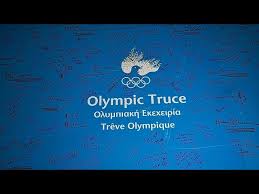
The Olympic Ceasefire, or Ekecheiria, dates back over 2,700 years to ancient Greece. During the ancient Olympic Games, Greek city-states agreed to halt warfare to allow athletes and spectators to travel safely to Olympia. The ceasefire was not merely symbolic; it was enforced through religious belief and shared cultural respect.
In ancient times, violating the truce carried severe consequences, including fines and exclusion from the Games. The ceasefire created a rare moment when rivalry gave way to shared identity. Sport became a bridge between enemies, reinforcing the idea that peace, even temporary, could serve a greater good.
In the modern Olympic movement, this tradition was revived to promote dialogue, cooperation, and conflict resolution. The United Nations formally supports the Olympic Ceasefire, adopting resolutions urging all nations to observe peace during the Olympic period.
The Historical Roots of the Olympic Ceasefire Call
The Olympic Ceasefire traces its origins to ancient Greece, where city-states frequently engaged in warfare. Despite constant rivalries, the Greeks recognized the need for moments of unity. During the ancient Olympic Games, all hostilities were suspended to allow safe travel for athletes and spectators.
This ceasefire was deeply respected. Violating it was considered an offense not just against rival states, but against the gods. The truce was enforced by shared cultural beliefs, honor, and collective responsibility. Sport became a sacred space where competition replaced conflict.
The modern revival of the Olympic Games sought to reclaim this spirit. The Olympic Ceasefire was reintroduced as a symbolic continuation of ancient values, adapted for a globalized world with far more complex political dynamics.
The Modern Olympic Ceasefire Symbolism Over Enforcement
Unlike its ancient predecessor, the modern Olympic Ceasefire lacks enforcement mechanisms. Today’s conflicts involve sovereign states, non-state actors, ideological movements, and complex alliances. International law, while influential, often fails to prevent or halt armed conflict Olympic Ceasefire Call.
The modern ceasefire is largely symbolic, relying on voluntary compliance rather than legal obligation. While many nations publicly endorse the call, few are willing to pause military operations when national security, territorial control, or political survival are at stake.
Despite this, the ceasefire remains a powerful moral statement. It reminds the global community of shared values and emphasizes the contrast between human achievement through sport and human destruction through war.
Ongoing Wars A World in Continuous Conflict
The world today faces multiple active conflicts that directly challenge the Olympic Ceasefire ideal. These wars are driven by deep-rooted political, ethnic, religious, and economic factors.
Modern conflicts tend to be prolonged rather than episodic. They involve hybrid warfare, proxy battles, cyber operations, and asymmetric tactics. In such environments, pausing hostilities for symbolic reasons is often viewed as a strategic disadvantage.
Moreover, many conflicts no longer involve two clearly defined states. Armed groups, militias, and insurgents may not recognize international traditions or global sporting events, further weakening the influence of the Olympic ceasefire.
Why Wars Continue Despite Ceasefire Appeals
National Security Priorities
For governments engaged in war, national security concerns override symbolic gestures. Leaders are accountable to domestic populations, military institutions, and political allies. A temporary ceasefire may be perceived as weakness, risking loss of territory or strategic momentum.
Power Politics and Strategic Calculations
Modern geopolitics is driven by competition for influence, resources, and regional dominance. In this environment, conflicts are rarely paused for humanitarian reasons alone. Military decisions are calculated based on advantage, deterrence, and long-term positioning.
Lack of Binding Authority
The Olympic Ceasefire is voluntary. There are no sanctions, penalties, or enforcement bodies. Without tangible consequences, compliance depends entirely on goodwill, which is often absent during wartime.
Fragmented Conflicts
Many wars involve multiple actors with differing agendas. Even if a government agrees to a ceasefire, non-state groups may continue fighting, undermining the effort.
Humanitarian Impact Civilians Caught Between Ideals and Violence
The failure to observe ceasefires has devastating consequences for civilians. Ongoing wars disrupt healthcare systems, education, food supplies, and basic infrastructure. Refugee crises continue to grow, placing strain on neighboring countries and global aid systems.
The Olympic Ceasefire aims to protect civilians, particularly vulnerable populations such as children . When ignored, it highlights the growing gap between international humanitarian ideals and on the ground realities.
Despite its limitations, the ceasefire draws attention to these humanitarian costs, forcing global audiences to confront the human price of war during a time meant to celebrate unity Olympic Ceasefire Call.
The Role of the United Nations and International Community
The United Nations plays a central role in promoting the Olympic Ceasefire, framing it as part of broader peacebuilding efforts. General Assembly resolutions supporting the ceasefire are adopted regularly, reflecting widespread diplomatic endorsement.
However, enforcement remains a challenge. The UN often struggles to influence conflicts involving major powers or entrenched regional rivalries. Peacekeeping missions, mediation efforts, and sanctions have mixed results.
Still, the Olympic ceasefire serves as a diplomatic tool. It provides an opportunity for dialogue, back-channel negotiations, and confidence-building measures, even if fighting does not fully stop.
Sport as Soft Power Influence Beyond the Battlefield
Sport has long been used as a form of soft power. Hosting the Olympics allows nations to shape global perceptions, project stability, and promote national identity. The Olympic Ceasefire aligns with this soft power strategy by emphasizing peace, cooperation, and shared humanity.
Athletes themselves often become symbols of unity, transcending political divisions. Their stories, struggles, and achievements humanize global narratives, reminding audiences that people, not ideologies, are at the heart of international relations.
While sport cannot stop wars, it can influence public opinion, encourage dialogue, and create spaces for diplomacy that politics alone cannot achieve.
Public Perception and Media Attention
Media coverage of the Olympic Ceasefire often contrasts sharply with reports of ongoing violence. This juxtaposition can generate global awareness, sparking debates about the effectiveness of international institutions and moral appeals.
Public pressure, amplified through media and social platforms, can influence political leaders over time. While immediate impact may be limited, sustained attention can contribute to shifts in policy, particularly in democratic societies.
The ceasefire thus functions as a narrative tool, framing war and peace in moral terms that resonate with global audiences.
Is the Olympic Ceasefire Still Relevant?
Critics argue that the Olympic Ceasefire has become largely ceremonial, offering little practical value in modern warfare. However, relevance should not be measured solely by immediate outcomes.
The ceasefire’s strength lies in its symbolic continuity. It connects ancient traditions with contemporary values, reminding humanity that peace has always been an aspiration, even in violent times Olympic Ceasefire Call.
In a fragmented world, shared symbols matter. They create common reference points that transcend political divisions. The Olympic Ceasefire keeps the idea of peace visible, even when it seems unattainable.
Lessons from Past Ceasefire Observations
There have been moments when Olympic ceasefire appeals contributed to humanitarian access, prisoner exchanges, or temporary reductions in violence. While rare, these instances demonstrate potential when political conditions align.
Such moments show that peace initiatives, however symbolic, can create openings for dialogue. They reinforce the importance of persistence in diplomacy, even when success is uncertain.
The Future of the Olympic Ceasefire
For the Olympic Ceasefire to remain meaningful, it must evolve. Greater integration with diplomatic efforts, humanitarian corridors, and conflict resolution initiatives could enhance its impact.
Education and awareness campaigns can also strengthen public understanding of the ceasefire’s purpose. When citizens demand accountability, leaders may feel increased pressure to align actions with values.
The ceasefire’s future depends not on enforcement alone, but on global commitment to the principles it represents.
The Moral Challenge to the Global Community
The continued existence of war during Olympic periods raises uncomfortable questions. If humanity cannot pause conflict during moments dedicated to unity, what does that say about global priorities?
The Olympic Ceasefire challenges the international community to reflect on these contradictions. It forces leaders and citizens alike to confront the gap between rhetoric and reality.
This moral challenge is essential. Without it, peace risks becoming an empty word rather than an active pursuit Olympic Ceasefire Call.
Between Hope and Reality
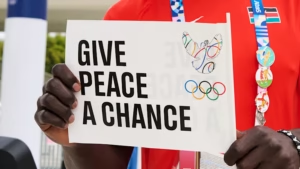
The contrast between the Olympic Ceasefire call and ongoing wars reflects a broader tension in international relations: the struggle between ideals and power. While wars continue despite peace appeals, the Olympic Ceasefire remains a vital reminder of what humanity strives for.
It may not stop tanks or silence guns, but it keeps the language of peace alive. In a world where conflict often dominates headlines, that alone is significant.
The Olympic Ceasefire challenges nations, leaders, and individuals to imagine a different future one where competition replaces conflict, and unity outweighs division. Even if imperfect, this vision remains worth preserving.