




Congo Ebola Crisis
Introduction
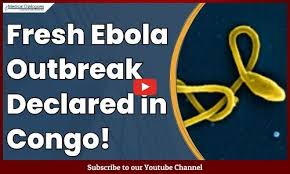
The Congo Ebola crisis has once again placed global attention on one of the deadliest viral diseases in modern history. Health authorities humanitarian organizations and governments are deeply concerned about the spread of Ebola in the Democratic Republic of Congo as fears grow over rising infections public health risks and regional instability.
Ebola outbreaks are among the most dangerous health emergencies because the virus spreads rapidly causes severe symptoms and carries a high fatality rate. Communities facing outbreaks often experience fear social disruption economic hardship and overwhelmed healthcare systems.
The Democratic Republic of Congo has battled multiple Ebola outbreaks over the years making it one of the countries most affected by the disease. Weak healthcare infrastructure political instability armed conflict and limited medical access continue complicating containment efforts.
The current crisis has triggered urgent responses from international health agencies medical workers and emergency relief organizations. Vaccination campaigns public awareness programs and emergency treatment centers are being expanded to prevent further spread.
Global concern continues increasing because infectious diseases can cross borders quickly in an interconnected world. International travel trade migration and humanitarian movement create additional challenges during outbreaks.
The Ebola crisis also highlights wider global issues including healthcare inequality poverty climate related health risks and the need for stronger disease surveillance systems.
Communities affected by Ebola face not only physical illness but also emotional trauma economic damage and social stigma. Families lose loved ones while healthcare workers operate under dangerous conditions to save lives.
The Congo Ebola crisis therefore represents more than a regional health emergency. It reflects the continuing vulnerability of global health systems and the importance of international cooperation during infectious disease outbreaks.
Understanding Ebola Virus Disease
Ebola virus disease is a severe and often fatal illness affecting humans and certain animals. The disease is caused by the Ebola virus which belongs to a family of highly dangerous pathogens known for causing hemorrhagic fever.
The virus spreads through direct contact with infected body fluids including blood saliva sweat vomit and other bodily secretions. Transmission can also occur through contaminated surfaces medical equipment and close contact with infected individuals.
Symptoms usually begin suddenly with fever weakness muscle pain headache and sore throat. As the disease progresses patients may experience vomiting diarrhea bleeding organ failure and severe dehydration.
Ebola has one of the highest fatality rates among infectious diseases especially when treatment access is limited. However early diagnosis supportive medical care and proper isolation significantly improve survival chances.
Healthcare workers face especially high risk during outbreaks because they frequently come into contact with infected patients. Protective equipment training and strict infection control procedures are therefore essential.
Vaccines and experimental treatments have improved significantly in recent years offering new hope for controlling outbreaks more effectively.
Public awareness remains extremely important because misunderstanding fear and misinformation can worsen transmission risks.
Ebola outbreaks often create panic due to the severe nature of symptoms and high mortality rates. Communities may fear hospitals medical workers and government responses if communication is weak.
Understanding how Ebola spreads helps health authorities implement prevention strategies including quarantine contact tracing safe burials and vaccination campaigns.
The Congo Ebola crisis demonstrates the continuing importance of disease education rapid response systems and global health preparedness.
History of Ebola in Congo
The Democratic Republic of Congo has a long and painful history with Ebola outbreaks. In fact some of the earliest known Ebola cases were identified in the region decades ago Congo Ebola Crisis.
Since then the country has experienced multiple outbreaks of varying scale and severity. Rural communities dense forests population movement and weak healthcare systems created conditions allowing the virus to spread repeatedly.
Previous outbreaks taught important lessons about emergency response vaccination community engagement and international cooperation. However challenges remain significant especially in conflict affected regions.
Many outbreak areas suffer from limited roads poor communication infrastructure and shortages of medical facilities. These conditions slow emergency response efforts and make patient monitoring difficult.
Political instability and armed violence also complicate healthcare operations. Medical teams sometimes struggle to access affected areas safely due to insecurity and distrust.
Traditional burial practices cultural beliefs and misinformation can contribute to virus transmission during outbreaks. Community education therefore plays a critical role in prevention.
The Congo Ebola crisis has also attracted global attention because repeated outbreaks demonstrate the need for stronger long term healthcare investment rather than temporary emergency responses alone.
International organizations including the World Health Organization humanitarian groups and regional health agencies have supported Congo during previous outbreaks through funding training and medical assistance.
Scientific progress including vaccine development improved survival rates and containment capabilities compared to earlier decades.
However the continuing recurrence of Ebola outbreaks shows that deeper structural healthcare challenges remain unresolved within vulnerable regions.
Current Ebola Outbreak Concerns
The latest Congo Ebola crisis has generated major concern among global health experts because outbreaks can escalate rapidly if not contained early.
Health authorities are closely monitoring infection numbers suspected cases and transmission patterns across affected regions. Emergency teams continue identifying contacts tracing exposures and isolating infected individuals.
Concerns increased because outbreaks occurring in densely populated or conflict affected regions are especially difficult to control. Population movement can spread infections across communities and borders.
Healthcare facilities face enormous pressure during outbreaks. Hospitals require protective equipment trained staff isolation units medicines and testing capacity to manage rising patient numbers.
Fear and misinformation can also complicate response efforts. Some communities may avoid treatment centers due to distrust rumors or fear of isolation procedures Congo Ebola Crisis.
Cross border movement remains another major challenge because neighboring countries must strengthen surveillance screening and preparedness measures.
Vaccination campaigns are expanding rapidly in high risk areas. Ring vaccination strategies target close contacts and frontline workers to reduce transmission.
International organizations continue urging governments to increase funding support logistics and medical coordination.
Public health experts warn that delayed responses could allow outbreaks to grow significantly before containment measures become fully effective.
The current crisis highlights how quickly infectious diseases can threaten vulnerable populations when healthcare systems face limited resources and ongoing instability.
Role of the World Health Organization
The World Health Organization plays a central role during Ebola outbreaks by coordinating international response efforts providing technical support and mobilizing emergency resources.
WHO experts work closely with local health authorities humanitarian organizations and governments to strengthen outbreak management.
The organization supports disease surveillance laboratory testing vaccination campaigns and public health communication strategies.
WHO also deploys emergency medical teams specialists and logistical support to affected regions during health crises.
One major responsibility involves monitoring outbreak trends and issuing international health warnings when risks increase.
The organization provides guidelines for infection prevention treatment procedures safe burials and healthcare worker protection.
Funding coordination remains another important task because outbreak responses require large financial and logistical resources.
WHO partnerships with research institutions pharmaceutical companies and donor governments support vaccine development and medical innovation.
Public trust in health authorities is essential during outbreaks. WHO therefore emphasizes transparent communication and community engagement to reduce fear and misinformation.
The organization also works with neighboring countries to improve border screening preparedness and regional cooperation.
Global health emergencies such as the Congo Ebola crisis demonstrate the importance of strong international institutions capable of coordinating rapid responses across multiple countries and organizations.
Healthcare Workers on the Frontlines
Healthcare workers are among the most important and vulnerable individuals during Ebola outbreaks. Doctors nurses laboratory technicians ambulance drivers and community health volunteers face enormous personal risk while treating infected patients.
Frontline workers operate under extreme pressure often with limited resources difficult conditions and emotional stress.
Protective equipment including masks gloves gowns and face shields is essential because Ebola spreads through direct contact with infected body fluids.
Training healthcare workers properly is critical for preventing hospital based transmission. Strict infection control procedures help reduce risks for medical teams and patients alike.
Many healthcare workers experience emotional trauma after witnessing severe illness and death repeatedly during outbreaks.
Fatigue burnout and psychological stress can weaken response capacity especially during prolonged emergencies.
Community health volunteers also play vital roles by educating families identifying suspected cases and supporting vaccination campaigns.
Healthcare workers sometimes face distrust or hostility from frightened communities influenced by misinformation or previous negative experiences.
Despite these challenges medical teams continue risking their lives to save others and contain outbreaks.
International medical organizations frequently deploy additional personnel to support local healthcare systems overwhelmed by rising case numbers.
The bravery and dedication of healthcare workers remain among the strongest defenses against Ebola and other deadly infectious diseases.
Vaccination and Medical Advances
Vaccination has become one of the most powerful tools for controlling Ebola outbreaks. Scientific breakthroughs over recent years significantly improved the ability to prevent and manage infections.
Ebola vaccines are now used during outbreaks to protect healthcare workers close contacts and high risk communities.
Ring vaccination strategies proved especially effective by creating protective barriers around infected individuals and limiting transmission chains.
Medical research also improved treatment methods including antiviral therapies supportive care and rapid diagnostic testing.
Early treatment greatly increases survival chances because patients receive hydration symptom management and infection monitoring sooner.
Laboratory technology allows faster identification of Ebola cases helping health authorities isolate infections before widespread transmission occurs.
International cooperation among scientists governments pharmaceutical companies and health organizations accelerated vaccine development significantly.
Community trust remains essential for vaccination success. Public education campaigns help reduce fear and encourage participation in prevention programs.
Logistics however remain difficult in remote regions where transportation infrastructure electricity and medical storage facilities are limited Congo Ebola Crisis.
The Congo Ebola crisis demonstrates how scientific innovation can save lives while also revealing the importance of healthcare accessibility and public confidence.
Future medical advances may further improve outbreak response reduce fatality rates and strengthen global pandemic preparedness.
Community Fear and Social Impact
Ebola outbreaks create deep fear within affected communities because the disease spreads quickly causes severe suffering and often results in death.
Families may avoid hospitals due to fear of isolation treatment procedures or stigma associated with infection.
Rumors misinformation and conspiracy theories sometimes spread rapidly during outbreaks especially when communities distrust authorities or lack access to accurate information.
Social stigma becomes a major issue for survivors healthcare workers and affected families. People recovering from Ebola may face discrimination fear and isolation from their communities.
Traditional cultural practices including burial ceremonies can become sources of tension when public health restrictions limit physical contact with the deceased.
Children often suffer significant emotional trauma after losing family members or experiencing quarantine conditions.
Schools businesses markets and transportation systems may close during outbreaks disrupting education employment and local economies.
Religious leaders community elders and local organizations play important roles in building trust and encouraging cooperation with health measures.
Mental health support becomes increasingly important because prolonged outbreaks create anxiety grief and psychological stress.
Community resilience however often emerges through solidarity volunteer support and collective efforts to protect vulnerable populations.
The social consequences of Ebola extend far beyond medical illness affecting entire communities long after outbreaks decline.
Economic Consequences of Ebola
The Congo Ebola crisis also creates serious economic consequences affecting local communities national development and regional stability.
Outbreaks disrupt agriculture trade transportation tourism and business activity as governments implement health restrictions and communities reduce movement.
Farmers may abandon fields due to fear or quarantine measures reducing food production and increasing economic hardship.
Small businesses markets and local industries often suffer significant losses during prolonged outbreaks.
Healthcare emergencies also increase government spending on medical response logistics and emergency support programs.
Foreign investment and tourism may decline because international businesses perceive increased risk and instability.
Families affected by Ebola frequently lose income due to illness caregiving responsibilities or movement restrictions.
Healthcare costs rise sharply while already fragile economies struggle with reduced productivity and weakened public confidence.
International aid provides important support yet long term recovery often requires rebuilding infrastructure healthcare systems and economic activity.
Education disruption can also affect future economic development when children miss extended periods of schooling during health crises.
The economic impact of Ebola demonstrates how infectious diseases can slow development deepen poverty and weaken national resilience.
Stronger healthcare systems therefore contribute not only to public health but also to long term economic stability and growth.
Border Security and Regional Risks
Ebola outbreaks create concern beyond national borders because infectious diseases can spread through travel migration trade and humanitarian movement.
Neighboring countries increase border screening surveillance and emergency preparedness during outbreaks in Congo.
Airports border crossings and transportation networks become critical points for health monitoring and disease prevention efforts.
Regional cooperation is essential because no country can fully isolate itself from infectious disease risks in an interconnected world.
Health authorities share information coordinate response strategies and support cross border surveillance programs.
Humanitarian crises conflict displacement and refugee movement can increase transmission risks by creating crowded conditions and limited healthcare access.
Countries with weak healthcare systems may struggle to detect and contain imported cases quickly.
International travel restrictions sometimes create economic disruption and political debate during major outbreaks.
Public fear may also increase discrimination against travelers migrants or communities associated with outbreak regions.
Global health security depends heavily on rapid communication international cooperation and coordinated emergency planning.
The Congo Ebola crisis highlights the importance of strengthening disease surveillance not only locally but also across entire regions and continents.
Role of International Aid Organizations
Humanitarian and medical organizations play essential roles during Ebola outbreaks by providing emergency support expertise and logistical assistance.
Groups including international medical charities disaster relief agencies and development organizations deploy staff equipment and supplies to affected regions.
Emergency treatment centers mobile clinics and laboratory facilities are established rapidly during outbreaks to support overwhelmed local healthcare systems.
Aid organizations also provide training for healthcare workers infection prevention guidance and community education programs.
Logistical support remains critical because outbreak regions often face transportation infrastructure and communication challenges.
International donors contribute funding for vaccines medical supplies protective equipment and emergency operations Congo Ebola Crisis.
Aid workers however face dangerous conditions including disease exposure political instability and difficult environmental situations.
Coordination among multiple organizations is essential to avoid duplication improve efficiency and maximize response effectiveness.
Long term recovery programs also focus on rebuilding healthcare systems strengthening local capacity and supporting economic recovery after outbreaks decline.
International solidarity during health emergencies demonstrates the importance of global cooperation in protecting vulnerable populations.
The Congo Ebola crisis continues showing how humanitarian organizations remain vital partners in responding to modern public health emergencies.
Media Coverage and Public Awareness
Media coverage plays a major role during Ebola outbreaks by informing the public spreading awareness and influencing global response efforts.
Television newspapers digital platforms and social media rapidly distribute updates regarding case numbers health measures and emergency developments.
Accurate reporting helps educate communities about symptoms prevention and treatment options reducing misinformation and panic.
However sensationalized reporting may increase fear stigma and public anxiety during outbreaks.
Social media creates both opportunities and challenges. Health authorities can quickly share guidance but false rumors may also spread rapidly online.
Public awareness campaigns emphasize hygiene vaccination symptom recognition and safe community practices.
Visual storytelling interviews and educational programs help humanize the crisis and encourage international support.
Journalists covering outbreak zones often face difficult conditions including health risks restricted access and emotional stress.
Responsible communication becomes extremely important because public trust influences cooperation with health measures and vaccination campaigns.
The Congo Ebola crisis demonstrates how information management can significantly affect outbreak response effectiveness and global perception.
Strong communication strategies therefore remain essential components of modern public health emergency management.
Scientific Research and Future Preparedness
Scientific research continues playing a central role in improving Ebola prevention treatment and outbreak management.
Researchers study virus transmission vaccine effectiveness treatment methods and long term survivor health impacts.
Genetic sequencing technology helps scientists track virus evolution and transmission patterns during outbreaks.
International collaboration among universities laboratories pharmaceutical companies and health organizations accelerated Ebola research significantly over recent years.
Preparedness planning now receives greater attention because global health experts recognize the importance of rapid response systems.
Disease surveillance early warning networks and emergency stockpiles improve readiness for future outbreaks.
Training healthcare workers strengthening laboratories and improving healthcare infrastructure remain essential long term goals.
Climate change deforestation and increased human interaction with wildlife may influence future disease emergence patterns making preparedness even more important.
Investment in healthcare research benefits not only Ebola response but also broader pandemic prevention and global health security.
The Congo Ebola crisis highlights how scientific innovation combined with international cooperation can improve humanity ability to confront dangerous infectious diseases.
Future breakthroughs may further reduce outbreak severity improve vaccines and strengthen global resilience against emerging health threats.
Challenges Facing Congo Healthcare System
The healthcare system in the Democratic Republic of Congo faces numerous structural challenges complicating Ebola response efforts.
Many regions experience shortages of hospitals medical equipment trained personnel and essential medicines.
Rural communities often lack reliable transportation making access to healthcare difficult especially during emergencies.
Political instability armed conflict and poverty further weaken healthcare infrastructure and service delivery.
Electricity shortages limited laboratory capacity and communication barriers create additional operational difficulties.
Healthcare workers frequently operate under dangerous conditions with limited resources and overwhelming patient demands.
Public trust in healthcare institutions may also be weak due to historical neglect corruption or previous crisis experiences.
International aid helps strengthen response capacity yet long term investment remains necessary for sustainable healthcare improvement.
Building resilient healthcare systems requires infrastructure development workforce training disease surveillance and consistent funding.
Healthcare inequality remains a major global issue because vulnerable populations often suffer most during infectious disease outbreaks.
The Congo Ebola crisis demonstrates that emergency response alone is not enough. Strong long term healthcare systems are essential for preventing future crises and protecting communities effectively.
Global Health Lessons from Ebola
The Congo Ebola crisis offers important lessons for global health systems governments and international organizations.
One major lesson involves the importance of rapid response. Delayed action allows outbreaks to spread more widely before containment measures become effective.
Community trust is equally critical. Public cooperation improves when health authorities communicate clearly respectfully and transparently.
Healthcare worker protection must remain a top priority because frontline personnel are essential during emergencies.
Global cooperation also proved necessary because infectious diseases ignore national borders and require coordinated international action Congo Ebola Crisis.
Investment in healthcare infrastructure surveillance and scientific research strengthens preparedness for future outbreaks.
Vaccination programs and medical innovation demonstrated the power of science in reducing disease impact and saving lives.
The crisis also highlighted healthcare inequality because poorer regions often face the greatest vulnerability during epidemics.
Mental health social support and economic recovery deserve greater attention alongside medical treatment during health emergencies.
Digital communication technology data sharing and international monitoring systems improved outbreak management compared to earlier decades.
The lessons learned from Ebola may help the world respond more effectively to future pandemics and emerging infectious diseases.
Global health security depends not only on medicine but also on trust cooperation education and long term investment in resilient healthcare systems.
Global Cooperation
The Congo Ebola crisis remains one of the most serious public health emergencies affecting the modern world. The outbreak demonstrates how infectious diseases can threaten communities healthcare systems economies and international stability simultaneously Congo Ebola Crisis.
Ebola continues causing fear suffering and uncertainty yet scientific progress vaccination campaigns and global cooperation have improved response capabilities significantly compared to previous decades.
Healthcare workers humanitarian organizations scientists and international agencies continue risking their lives and resources to contain outbreaks and protect vulnerable populations.
The crisis also reveals deeper structural challenges involving poverty healthcare inequality political instability and limited infrastructure within affected regions.
Strong healthcare systems public trust scientific research and international coordination remain essential for controlling outbreaks and preventing future global health emergencies.
The world has learned important lessons from Ebola regarding preparedness communication and the importance of rapid response during infectious disease crises.
The Congo Ebola crisis is not only a regional tragedy but also a global reminder that health security requires continuous cooperation investment and compassion across nations and communities.