







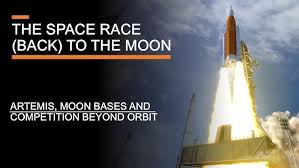
Space Militarization Threat Rising
Introduction
Space is no longer viewed only as a place for scientific discovery and peaceful exploration Space Militarization Threat Rising. It has rapidly become one of the most strategic and competitive domains in global politics. Nations around the world are expanding military activities in outer space as competition for technological dominance security advantages and strategic influence intensifies. The growing militarization of space is creating serious concerns about future conflicts international stability and global security.
For decades satellites and space technology supported communication weather forecasting navigation and scientific missions. Today however space systems are deeply connected to national defense intelligence gathering missile guidance and military operations. Countries increasingly depend on satellites for surveillance secure communications and battlefield coordination.
As global tensions rise major powers are investing heavily in military space programs anti satellite weapons advanced missile systems and space defense capabilities. The possibility of conflict extending beyond Earth has become a major concern for governments security analysts and international organizations.
The threat of space militarization is reshaping defense strategies diplomatic relations and technological development. Competition between the United States China Russia and other nations is accelerating the race for space superiority. Private space companies are also becoming important players in this rapidly evolving environment.
The future of space security will influence global power balances economic systems communication networks and even daily civilian life. The militarization of space represents one of the most critical geopolitical challenges of the modern era.
The Evolution Of Military Space Programs
Military involvement in space began during the Cold War. The United States and the Soviet Union competed intensely in technological and strategic space development.
Satellites quickly became essential for reconnaissance communication and missile detection. Space technology provided military advantages by improving intelligence collection and strategic planning.
The launch of military satellites transformed modern warfare. Nations could monitor enemy movements track missile launches and coordinate military operations with unprecedented accuracy.
As technology advanced space systems became more integrated into defense infrastructure. Navigation systems secure communication networks and surveillance satellites became vital components of national security.
Today military space programs include cyber defense missile warning systems anti satellite weapons and advanced orbital technologies. Space has evolved into a critical strategic battlefield.
Why Space Has Become Militarized
Several factors are driving the militarization of space. National security concerns technological competition and geopolitical rivalry are among the main reasons.
Modern militaries rely heavily on satellites for navigation communication intelligence and precision targeting. Protecting these assets has become a strategic priority.
Governments fear that adversaries could disable or destroy satellites during conflicts. As a result nations are developing defensive and offensive space capabilities.
The increasing importance of cyber warfare also contributes to militarization. Space systems are vulnerable to hacking electronic interference and digital attacks.
Economic interests play a role as well. Space based infrastructure supports banking telecommunications transportation and global commerce. Disruptions could have severe economic consequences.
National prestige and technological leadership further intensify competition. Countries view space dominance as a symbol of global power and innovation.
United States And Space Defense Strategy
The United States remains the leading military space power. American defense systems depend heavily on satellites for communication intelligence missile defense and military operations worldwide Space Militarization Threat Rising.
The establishment of the United States Space Force marked a major shift in military strategy. Space is now officially recognized as a separate operational domain alongside land sea air and cyberspace.
American officials argue that space security is essential for protecting national interests and maintaining global stability. Investments in advanced satellites missile warning systems and orbital defense technologies continue increasing.
The United States is also developing capabilities to counter anti satellite threats from rival nations. Space resilience rapid satellite replacement and cyber protection are major priorities.
Partnerships with private aerospace companies have strengthened American space capabilities. Commercial innovation supports military technology development and launch infrastructure.
The United States seeks to maintain strategic superiority while promoting rules based international behavior in space.
China Expands Military Space Ambitions
China has emerged as a major space power with rapidly expanding military capabilities. Beijing views space technology as essential for national security economic development and geopolitical influence.
Chinese military modernization includes advanced satellite systems space surveillance and anti satellite technologies. China has demonstrated significant progress in launch capabilities lunar exploration and orbital infrastructure.
The Chinese government emphasizes peaceful development but Western analysts remain concerned about military applications of Chinese space programs Space Militarization Threat Rising.
China considers space dominance important for future warfare and strategic deterrence. Investments in artificial intelligence quantum communication and cyber warfare strengthen Chinese military space capabilities.
The country is also building international partnerships through space cooperation initiatives. These programs increase Chinese influence in developing regions and emerging space markets.
Competition between China and the United States is becoming one of the central dynamics shaping the future of space security.
Russia And Space Warfare Capabilities
Russia maintains significant military space expertise inherited from the Soviet era. Space technology remains central to Russian defense strategy and geopolitical influence.
Russian military satellites support communication navigation intelligence and missile warning systems. Moscow continues investing in anti satellite weapons and orbital defense capabilities.
Western governments have expressed concerns about Russian activities involving satellite interference and advanced space weapons development Space Militarization Threat Rising.
Russia argues that military space programs are necessary for protecting national sovereignty and maintaining strategic balance against NATO expansion.
Economic challenges have affected some Russian space initiatives yet the country remains an influential military space actor.
Cooperation and competition between Russia China and Western nations continue shaping global space politics.
Anti Satellite Weapons And Global Risks
Anti satellite weapons are among the most controversial aspects of space militarization. These systems are designed to disable damage or destroy satellites in orbit.
Several countries have tested anti satellite missiles demonstrating the ability to target space infrastructure. Such tests create dangerous debris that threatens other satellites and future missions.
Satellite destruction could severely disrupt communication navigation financial systems and military operations worldwide.
Even limited conflicts in space could create cascading economic and technological consequences across the globe.
Critics warn that anti satellite weapons increase instability because nations may feel pressured to strike first during crises.
International organizations continue calling for restrictions on destructive space weapons to reduce risks of escalation.
Space Debris And Orbital Congestion
Space militarization contributes to the growing problem of orbital debris. Destroyed satellites missile tests and abandoned equipment leave dangerous fragments orbiting Earth.
Space debris travels at extremely high speeds and can damage operational satellites spacecraft and future missions.
The increasing number of satellites launched by governments and private companies has intensified congestion in low Earth orbit.
Military activities involving weapons tests or satellite interference raise the risk of large scale debris fields.
Scientists warn that uncontrolled debris accumulation could eventually make certain orbital regions unusable for decades.
Managing orbital traffic and reducing debris are becoming major priorities for the international space community.
Cyber Warfare In Space
Cybersecurity has become a critical component of space defense. Satellites and ground control systems are vulnerable to hacking electronic warfare and signal interference.
Cyber attacks targeting satellites could disrupt communication networks military coordination navigation systems and financial infrastructure.
Governments are investing heavily in cyber defense technologies to protect space assets from digital threats.
Artificial intelligence and autonomous systems are increasingly integrated into military space operations creating new vulnerabilities and strategic opportunities.
The combination of cyber warfare and space militarization increases uncertainty during international crises Space Militarization Threat Rising.
Experts warn that cyber attacks in space could escalate conflicts rapidly without clear attribution or accountability.
Private Space Companies And Military Cooperation
Private aerospace companies are playing a growing role in military space operations. Commercial satellites launch systems and communication networks now support national defense infrastructure.
Governments increasingly partner with private firms for satellite deployment data collection and technological innovation.
The rise of commercial space industries has accelerated technological progress and reduced launch costs. However it also raises new security and regulatory concerns.
Private companies may become strategic targets during future conflicts due to their involvement in military communications and surveillance.
The relationship between commercial innovation and military strategy is transforming the structure of global space competition.
Space commercialization is expected to continue expanding alongside defense partnerships.
International Law And Space Governance
International space law was originally designed to promote peaceful exploration and prevent conflict in outer space.
The Outer Space Treaty established principles against placing weapons of mass destruction in orbit and emphasized peaceful use of space.
However existing legal frameworks struggle to address modern military technologies cyber warfare and anti satellite weapons.
Many experts argue that international law has not kept pace with rapid technological and geopolitical changes.
Countries disagree over definitions of weaponization militarization and legitimate defense activities in space.
Diplomatic efforts continue to seek stronger agreements on responsible behavior transparency and conflict prevention in orbit.
Space Militarization And Global Politics
Space competition increasingly reflects broader geopolitical rivalries. Strategic tensions between major powers extend into orbital and lunar activities.
Military space capabilities influence diplomatic negotiations defense alliances and global power balances.
Space technology also affects economic competition because communication navigation and data infrastructure are essential for modern economies.
Countries with advanced space systems gain strategic advantages in intelligence military coordination and technological innovation.
Emerging powers are also entering the space sector seeking greater independence and influence.
The militarization of space is becoming deeply connected to international politics trade and security strategy Space Militarization Threat Rising.
Nuclear Risks And Strategic Stability
Space systems are closely linked to nuclear deterrence and missile defense networks. Early warning satellites help detect missile launches and support strategic decision making.
Disruptions to these systems during crises could increase the risk of miscalculation and escalation.
Some analysts fear that attacks on space infrastructure might trigger broader military confrontations including nuclear tensions.
Maintaining reliable communication and surveillance systems is essential for strategic stability between nuclear powers.
The growing complexity of military space systems creates new challenges for arms control and crisis management.
Preventing accidental escalation remains one of the most urgent concerns in global security policy.
Lunar Competition And Future Militarization
The Moon is becoming a new focus of international competition. Governments and private companies are planning lunar missions resource exploration and long term infrastructure development.
Strategic competition may eventually extend beyond Earth orbit into lunar territories and deep space operations.
Water ice rare minerals and scientific opportunities make the Moon increasingly valuable for future economic and technological development.
Some experts worry that lunar competition could lead to territorial disputes and military positioning.
International cooperation remains possible but geopolitical rivalries continue influencing space exploration agendas.
The future militarization of lunar activities may become a major issue during coming decades.
Emerging Technologies In Space Warfare
Advanced technologies are rapidly changing military space capabilities. Artificial intelligence robotics quantum communication and directed energy systems are influencing future defense strategies.
Hypersonic missiles and autonomous satellite networks increase the complexity of modern warfare.
Artificial intelligence can improve surveillance threat detection and military decision making in space environments.
Quantum communication technologies may create highly secure military networks resistant to cyber attacks.
Directed energy weapons including laser systems are being explored for satellite defense and anti satellite missions.
Technological innovation continues accelerating competition between major powers in the race for strategic superiority.
Role Of NATO And Defense Alliances
Military alliances increasingly recognize space as a critical operational domain. NATO has expanded its focus on space security coordination and satellite defense.
Allied nations cooperate on surveillance communication intelligence sharing and missile warning systems.
Collective defense strategies now include protecting space infrastructure from cyber attacks and hostile interference.
Space cooperation strengthens military interoperability and strategic planning among allied countries.
However alliance expansion in space also increases tensions with rival powers who view such activities as threats to strategic balance.
Defense partnerships will likely play an even larger role in future space security policies.

Economic Importance Of Space Infrastructure
Modern economies depend heavily on satellites and space based systems. Communication banking transportation agriculture weather forecasting and internet services rely on orbital infrastructure.
Disruptions to space systems could cause severe economic damage worldwide. Financial markets navigation systems and global supply chains would be heavily affected.
Protecting commercial satellites has therefore become a national security priority for many governments.
Space industries are expected to generate enormous economic value during coming decades through telecommunications tourism mining and technological innovation.
The intersection of economic interests and military strategy increases competition over space governance and security.
Economic dependence on space systems makes the threat of militarization even more significant Space Militarization Threat Rising.
Future Of Space Security
The future of space security remains uncertain. Technological innovation geopolitical rivalry and commercial expansion are transforming outer space faster than existing laws and institutions can adapt.
Some experts believe international cooperation can prevent major conflicts through arms control agreements transparency measures and diplomatic engagement.
Others warn that competition for strategic advantage may continue intensifying especially between major military powers.
The challenge facing world leaders is balancing national security interests with peaceful exploration and global stability.
Preventing conflict in space requires stronger international communication crisis management mechanisms and legal frameworks.
The decisions made today will shape the future of human activity beyond Earth for generations.
A Strategic Battlefield
Space Militarization Threat Rising has become one of the most important global security issues of the modern era. Outer space is no longer only a domain of scientific discovery and peaceful exploration. It is increasingly viewed as a strategic battlefield where nations compete for military technological and geopolitical advantage.
The United States China Russia and other powers are expanding military space capabilities including anti satellite weapons cyber defense systems and advanced orbital technologies. These developments create risks of conflict instability and economic disruption Space Militarization Threat Rising.
Space infrastructure now supports communication navigation intelligence and global commerce making orbital security essential for modern civilization.
At the same time international law and diplomatic frameworks struggle to keep pace with rapid technological change and growing geopolitical competition.
The future of space security will depend on whether nations choose cooperation or confrontation. Peaceful governance transparency and responsible behavior remain critical for preventing dangerous escalation in outer space.
The militarization of space is not only about defense strategy. It is about the future of global stability technological progress and humanity’s long term relationship with the final frontier.